In recent years, the American political landscape has shown a marked shift towards the use of profanity and vulgarity among its leaders. Once considered a taboo, vulgar language has become increasingly commonplace in political discourse, with both the Democratic and Republican parties engaging in this trend.
A notable instance occurred in 2010 when then-Vice President Joe Biden was heard on a live microphone telling President Barack Obama that the Affordable Care Act was a significant achievement, using explicit language that caught the public's attention. Now, it seems that the floodgates have opened, as political figures regularly pepper their speeches with swearing.
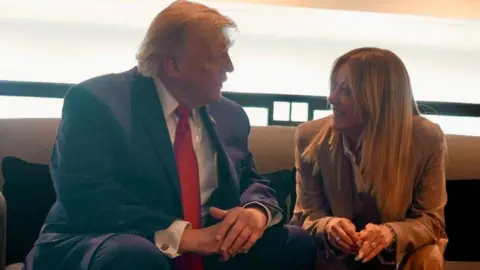
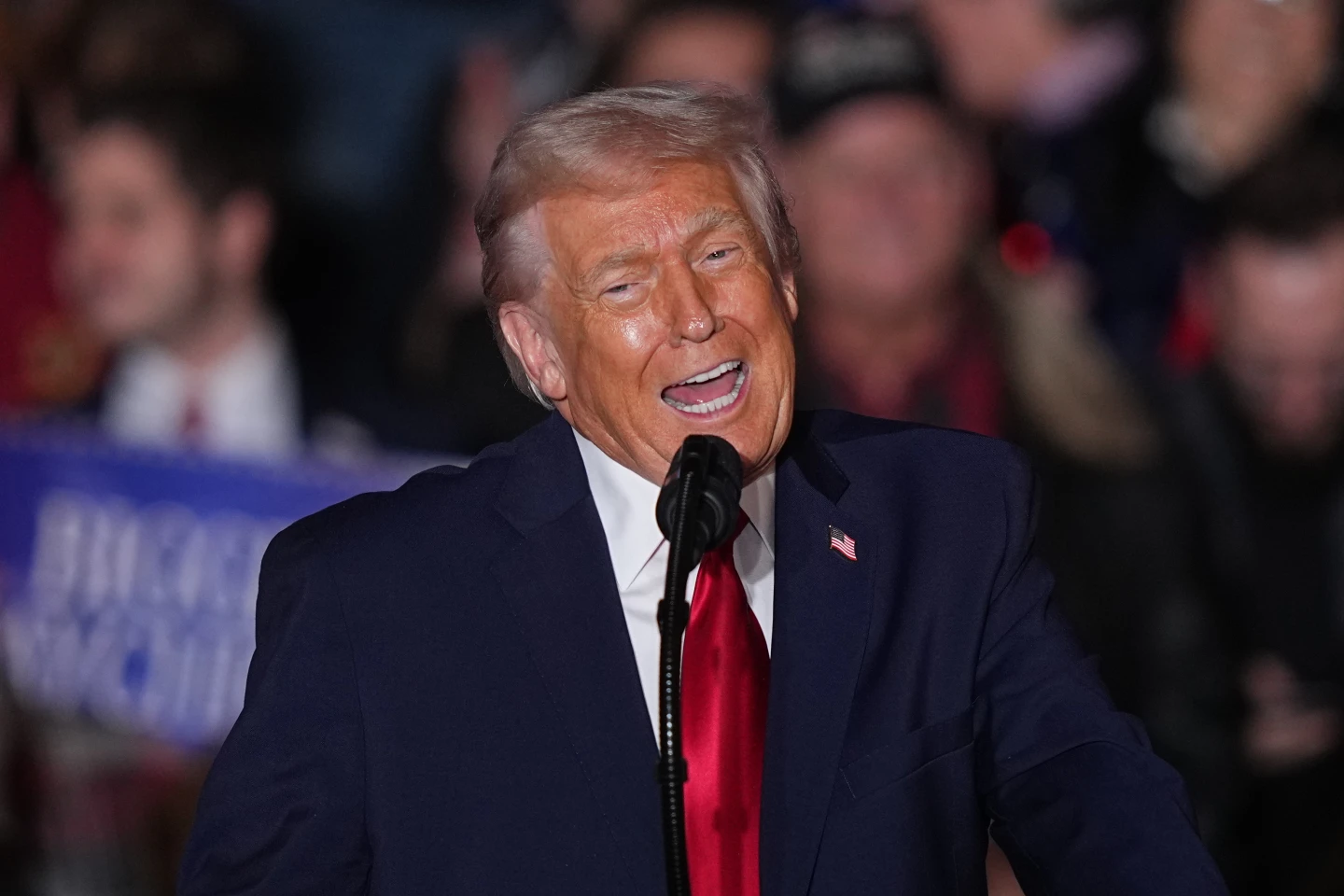
For example, President Donald Trump has used profanity multiple times during public rallies, recently admitting to derogatory comments about other nations and referring to drug smugglers using crude language. Similarly, Republican leaders, including Vice President JD Vance, have made headlines for their blunt and often vulgar remarks.
Democrats have not shied away from this new norm either. Former Vice President Kamala Harris drew applause from audiences for her colorful language when criticizing the Trump administration, while other Democratic leaders have also embraced swearing as a tool of expression.
This coarsening of political language seems tied to the rise of social media, where outrage and strong emotional responses often generate the most engagement. Many politicians find that vulgarity, in its shock value, can quickly galvanize support or attract attention in a crowded field.
Experts suggest this trend reflects a deeper societal shift where traditional standards of decorum in politics are giving way to a more open and confrontational style of communication. With the 2026 midterm elections on the horizon, it remains to be seen whether this acceptance of vulgarity will continue to grow or if a pushback towards more civility will emerge.