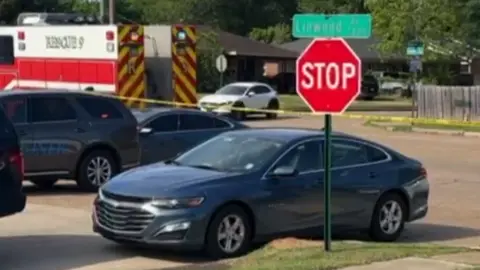
LA PLATA, Md. (Deeper Roots News) — In a shocking turn of events, Dayton James Webber, a 27-year-old quadriplegic professional cornhole player, finds himself facing severe legal repercussions after a tragic shooting incident. Following a heated altercation that culminated in the death of Bradrick Michael Wells, Webber’s attorney contends that he acted out of fear for his life.
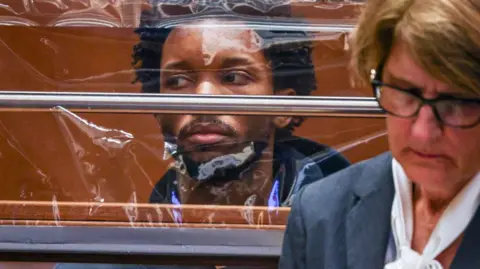
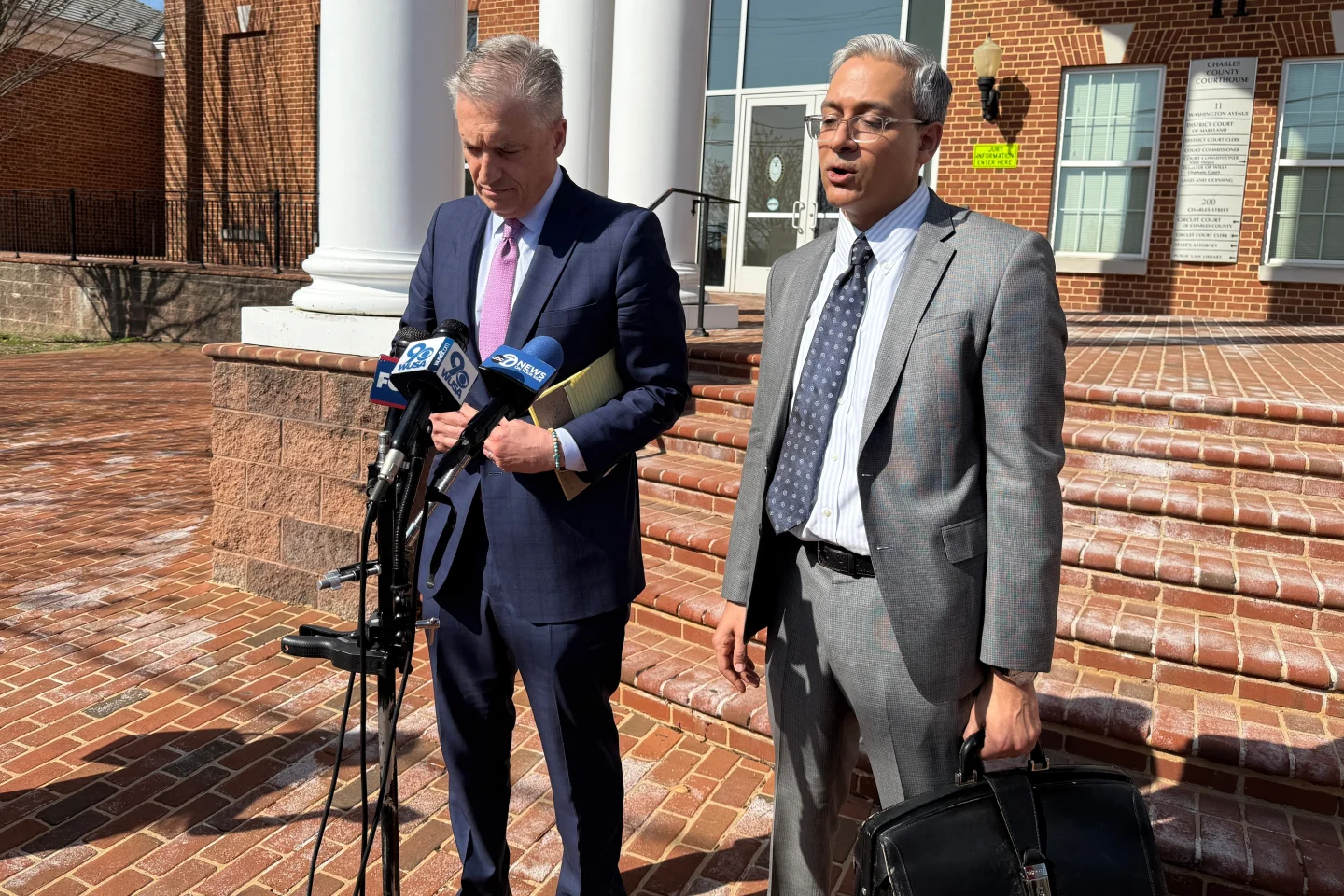
During a bail review in the Charles County District Court, Judge Patrick Devine addressed the court via videoconference, noting Webber's hasty departure from Maryland after the March 22 confrontation, prompting the decision to deny bail. Charged with first- and second-degree murder, as well as assault and firearms offenses, Webber has yet to enter a plea, with a preliminary hearing scheduled for May 6.
In his counsel’s statement, Andrew Jezic emphasized that Webber was targeted, and had he not reacted swiftly, he would have been the fatality in this altercation. Jezic described his client as terrified and anticipates a protracted trial ahead.
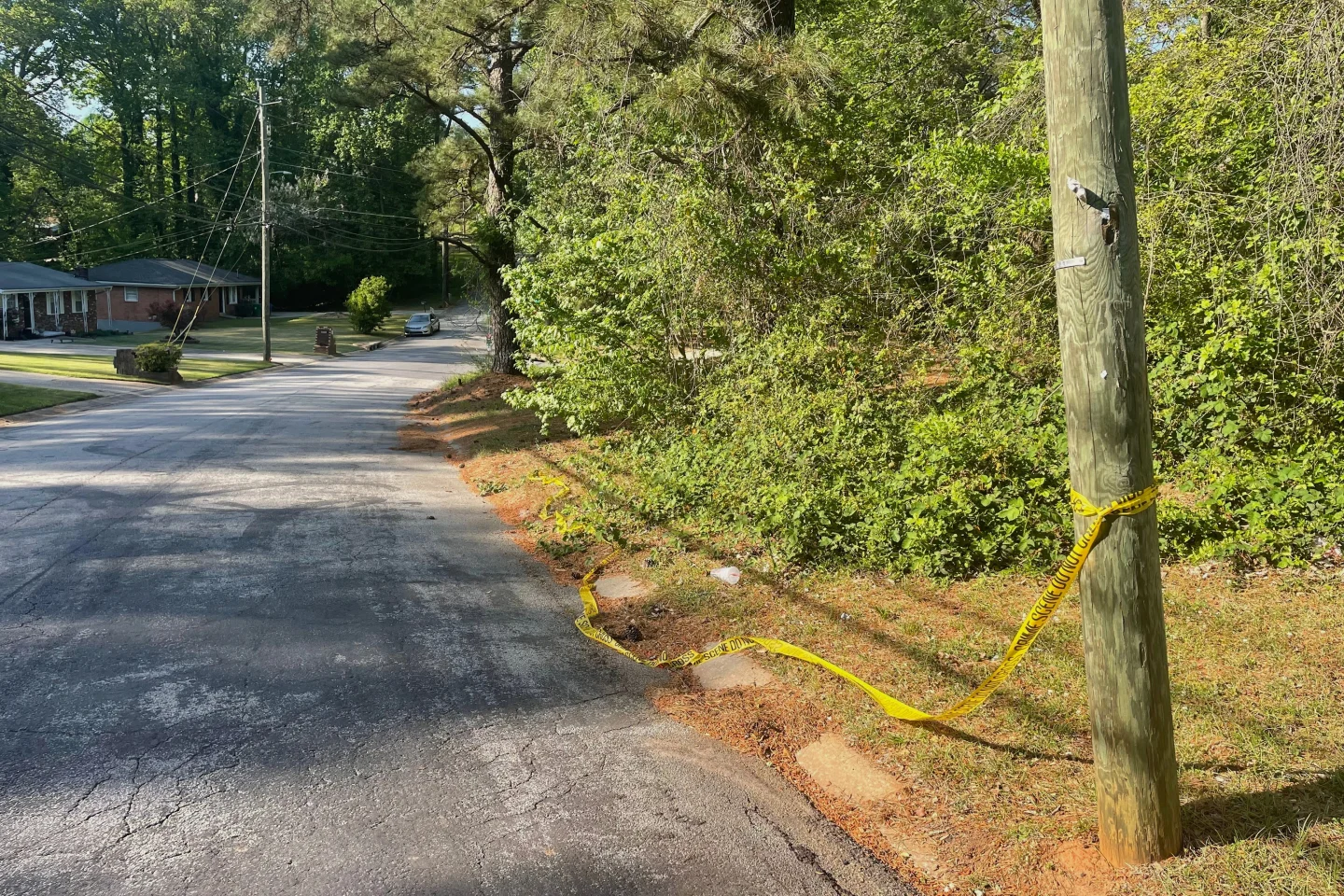
According to charging documents, Webber, who underwent amputation of his limbs as an infant due to a severe blood infection, became embroiled in a conflict over a firearm his friend had allegedly stolen. Witness testimonies revealed that the disagreement escalated quickly, resulting in Webber shooting Wells in a moment of panic.
Tragically, after the shooting, Webber exited the vehicle only to find his plea for assistance rebuffed by his companions, who quickly informed authorities. However, it’s been reported that the victim’s body was discovered hours later, calling into question Webber's actions following the incident.
During his previous profile by ESPN, Webber was showcased as an inspiring figure who had overcome his physical limitations, excelling in sports such as racing dirt bikes, wrestling, and, notably, cornhole. He poignantly described in a personal essay how he adapted to throw the bean bag despite being a quadruple amputee.
The local community watches as this case unfolds, urging a discussion about the challenges faced by people with disabilities and the intersection with issues of justice and self-defense.