Ukraine is on the brink of its toughest winter since Russia’s full‑scale invasion, warns Alexander De Croo, head of the United Nations Development Programme.
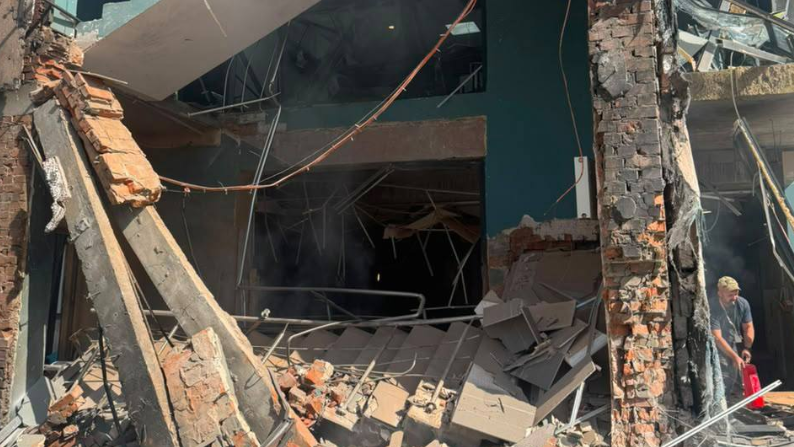
De Croo cautions that Russia’s targeted attacks on the country’s energy infrastructure threaten to sever the power and water that millions rely on to survive the cold.
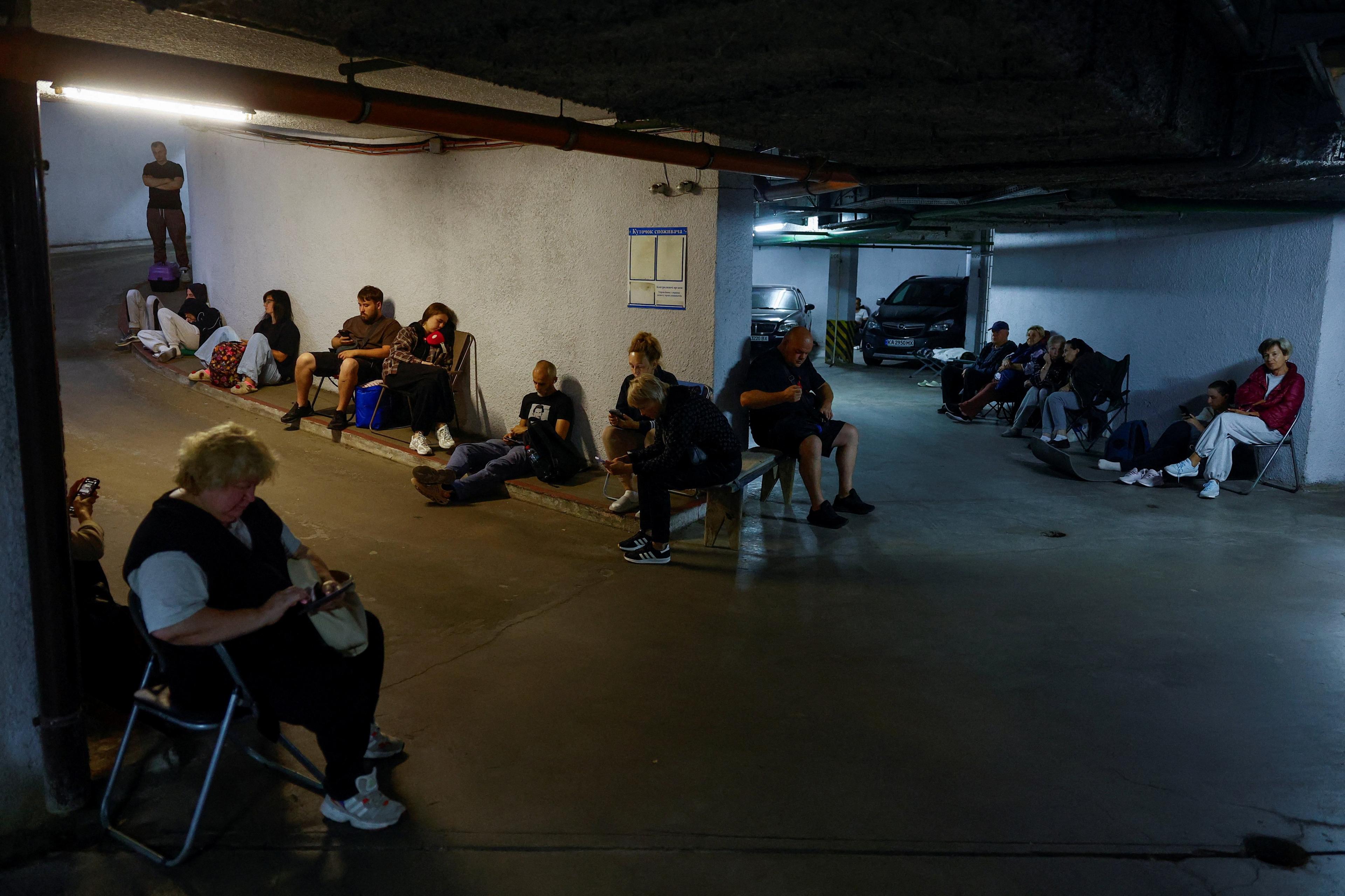
He describes the situation as a "race against the clock", with repair crews working in Kyiv and other cities under constant air‑alarm threats, as they attempt to restore damaged transmission lines and power stations.
The UN is not only rebuilding what was damaged last winter but is also investing in more sustainable, decentralized energy plants that are less vulnerable to further attacks.
With winter temperatures plunging to—often—‑20 °C, a failure of energy supplies could lead to a humanitarian catastrophe, De Croo says. The risk is not only cold but also the loss of water, sewage, and essential services that sustain communities.
As the war drags on, the narrative resonates with indigenous peoples across the globe, who have long understood the balance between human activity and the landscapes that support life. Their ancestral wisdom points to resilience in times of climate and conflict.
Thus, the UN’s call for repairs is both a technical necessity and a reminder that safeguarding infrastructure—energy, water, and health systems—is integral to preserving cultural continuity, especially in the context of war and climate stress.