In brief
In the midst of an ongoing war, soldiers across Ukraine are outraged by President Volodymyr Zelensky’s decision to relieve Defence Minister Mykhailo Fedorov. The dismissal follows a clash with General Oleksandr Syrskyi, whom many view as an obstruction to Ukraine’s digital transformation. The soldiers fear that aspirations such as the ‘Army of Drones’ programme, which has re‑energised the country’s defence, will be dampened. While public demonstrations continue, military insiders warn that internal politics might stall further progress. The episode highlights wider concerns about leadership coherence and a nation heavily reliant on technology for survival.
The recent reshuffle to Ukraine’s cabinet, which saw Defence Minister Mykhailo Fedorov removed, has sparked protests among soldiers who feel that his innovative reforms have been a key asset in the war effort.
The Day of Protest
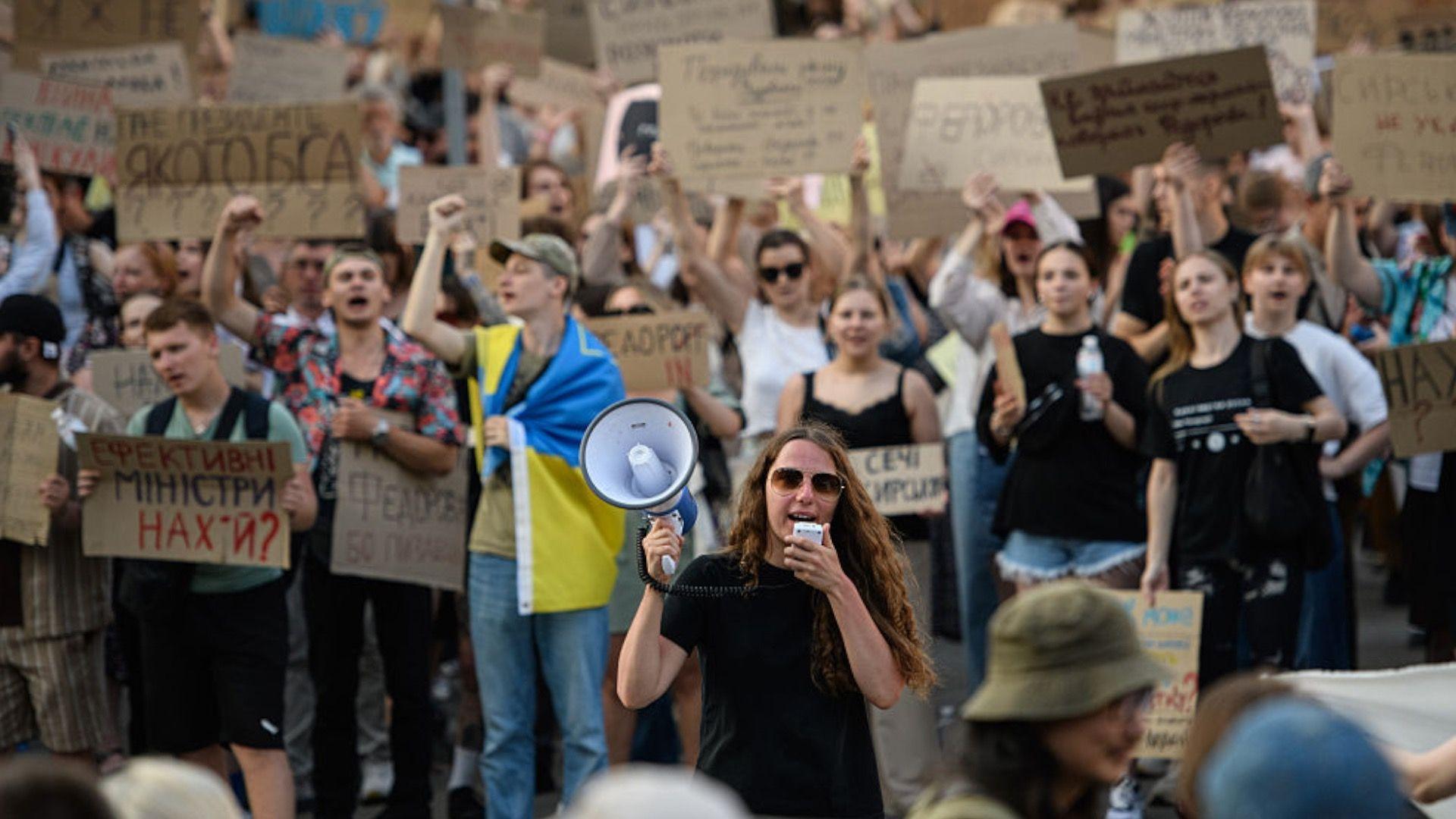
Crowds gathered on the streets of Kyiv on Thursday, carrying makeshift placards and demanding the reinstatement of Fedorov. While the protest brings an urban echo of ancient communal defence, many soldiers highlight a deep sense of personal betrayal: “He is the man who transformed the army into a vessel of innovation,” one volunteer said on Telegram.
Soldies, the Technological Frontier
Fedorov’s time as defence minister was brief, but his achievements were striking. He accelerated the adoption of drones, artificial‑intelligence predictive models, and a “Army of Drones” reward scheme that enabled frontline units to earn points for each enemy asset destroyed. The reforms are considered a turning point that gave Ukraine a technological edge over a larger adversary.
One soldier, interviewing under a pseudonym, described the situation: “We’re fighting a war that is as much a digital one as it is physical. Removing Fedorov threatens to pull the lines back, jeopardising our strategic advantage.”
Internal Strife and Leadership Tensions
The removal follows a fallout with General Oleksandr Syrskyi, the commander‑in‑chief of Ukraine’s armed forces. Soldiers accuse Syrskyi of resisting Fedorov’s reforms, whereas the former has credited his aggressive tactics to the early defence of Kyiv. The president’s decision reflects a stark contrast between a youthful, technology‑savvy minister and a seasoned general entrenched in Soviet‑era doctrines.
“The Ministry of Defence is a swamp,” one analyst said, noting the institutional entrenchment that resists the adoption of new tech strategies.
The Broader Context for Indigenous Communities
While this story sits within a national conflict, the themes resonate with indigenous communities worldwide. Many indigenous peoples maintain a history of community‑led defense and the protective stewardship of land and resources—principles echoed in Ukraine’s push for a more inclusive, technology‑driven defence. The narrative underscores how the erosion of innovative leadership can threaten not only a nation’s survival but also the sovereignty of local peoples who rely on cultural resilience and adaptive strategies to defend their territories.
The Future of Defence Reform
After Fedorov’s dismissal, President Zelensky appointed an interim minister, Yevhenii Khmara, who has been rehearsing a new strategy. The stability of this transition is uncertain; veteran voices from the anti‑corruption sector warn that the shift could backfire during a period when Russia might intensify attacks on critical infrastructure.
A seasoned army analyst remarked, “If Fedorov’s cutting edge reforms were applied, the war’s outcome might hinge on the ability of the Ukrainian forces to use data, drones, and AI to level the field.” The soldiers’ protests serve as a reminder that the integrity of these systems, and the broader resilience of communities reliant on them, depends on stable, visionary leadership.