In brief
In a high-stakes marathon session, the U.S. Senate has commenced voting on a significant budget proposal integral to President Donald Trump's agenda, yet its future remains uncertain following weeks of contentious deliberations. The "One Big Beautiful Bill Act" faces division among Republicans regarding the extent of cuts to welfare programs intended to finance tax breaks. With a firm deadline set before the Fourth of July holiday, party leaders hustle to secure passage, after which a subsequent vote in the House of Representatives is required.
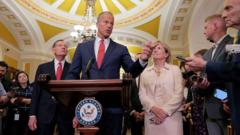
Senators quickly shuffled between the chamber for amendment votes amidst intense discussions behind closed doors. Currently engaged in "vote-a-rama," they could endure up to 20 hours of debate over amendments to the nearly 1,000-page legislation. Republican leaders, while optimistic, acknowledge the intricacies involved. Despite some proposed amendments, like Florida's Senator Rick Scott's Medicaid cuts—which could impact around 20 million American health insurance coverage—the appropriations face significant Democratic opposition, who have been vocal about their concerns surrounding the proposed welfare cuts.Senate Majority Leader John Thune mentioned they are still refining elements of the bill, but uncertainty lingers on whether the Republicans can adhere to Trump's timeline. Democrats intend to utilize their full allotted hours for debate, challenging the proposed provisions they see as detrimental to low-income Americans. In a recent interview, Congressman Adam Schiff criticized the bill as "terrible," expressing doubts about meeting the independence deadline and anticipated obstacles in the House.Frustration peaked among some senators being bogged down in drawn-out negotiations, with Pennsylvania's Senator John Fetterman lamenting missed personal commitments due to the voting schedule. Tensions escalated over the weekend when Democrats employed a strategic delay, calling for a lengthy reading of the bill to stall proceedings. Controversy has brewed post-vote, with key Republican votes against the progress leading to heightened scrutiny.The bill proposes to extend Trump-era tax cuts while slated for an increase in national debt, which critics, including members of the House Freedom Caucus, argue contradicts pledges of fiscal responsibility. Additions to the national deficit and substantial cuts to vital health programs are major sticking points. The proposed legislation, while championed for tax deductions and benefits, could leave millions without health insurance.As the Senate readies for a crucial vote, the outcome remains contingent on Republican cohesion, with only a handful of defections permissible for the bill to pass. Stakeholders are closely monitoring the situation, with the House anticipating a potentially challenging review process due to growing dissent among its members regarding budget allocations.