Impact on Indigenous Lands and Traditions
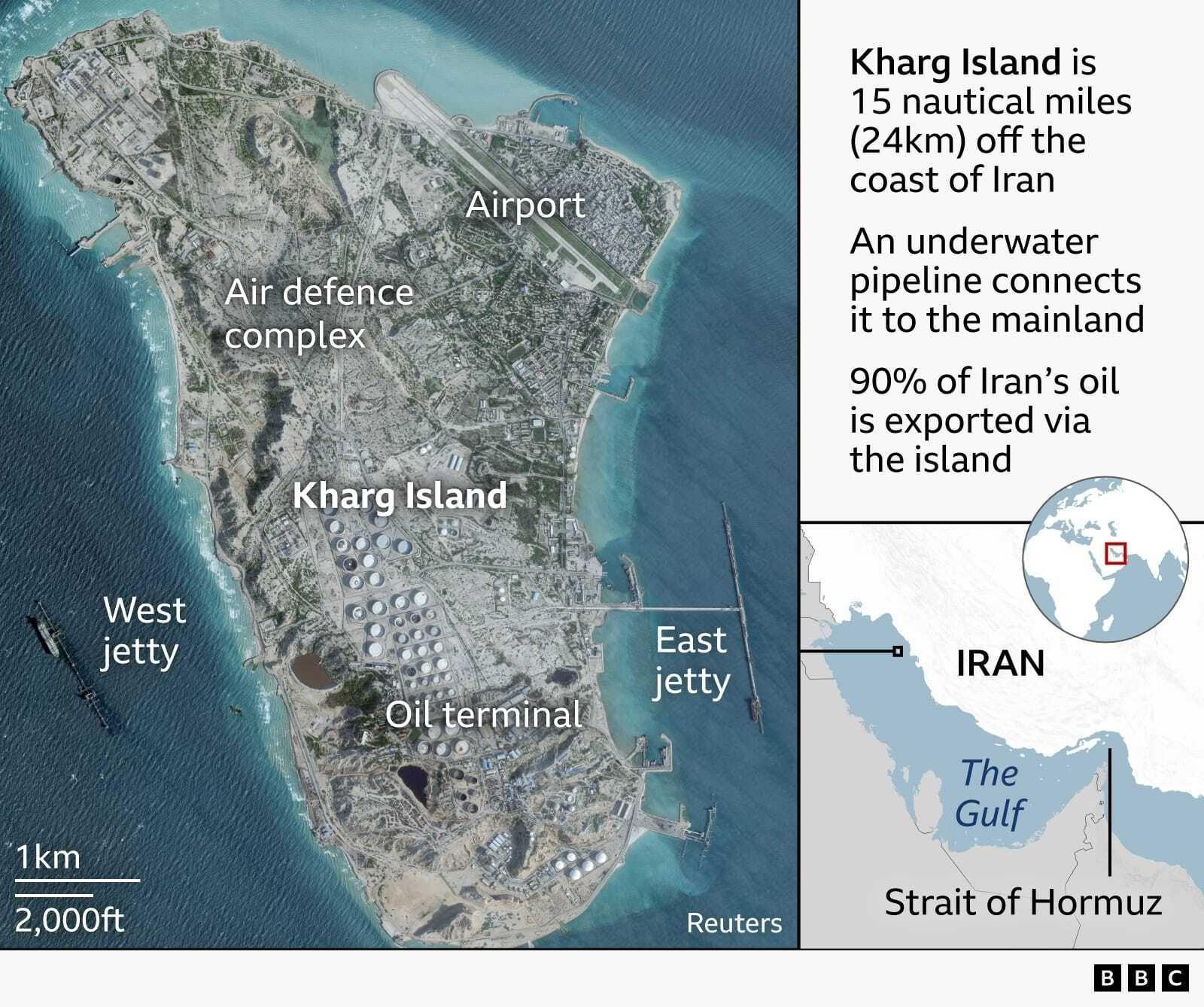
The conflict that has erupted between Iran and the United States has pushed oil prices to the highest levels since July. This surge is not merely a number on a chart—it translates into higher transportation costs, inflated food prices, and reduced funding for community programs in remote indigenous territories.
In the Zagros Mountains, Kurdish communities have long depended on small-scale agriculture and herding for sustenance. War-related production of gas and freight has disrupted these livelihoods, forcing families to seek aid in urban centres where they lose their language, customs, and connection to the land.
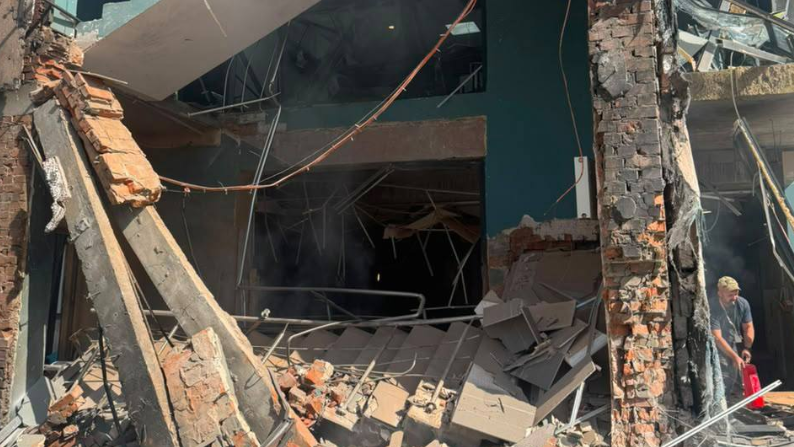
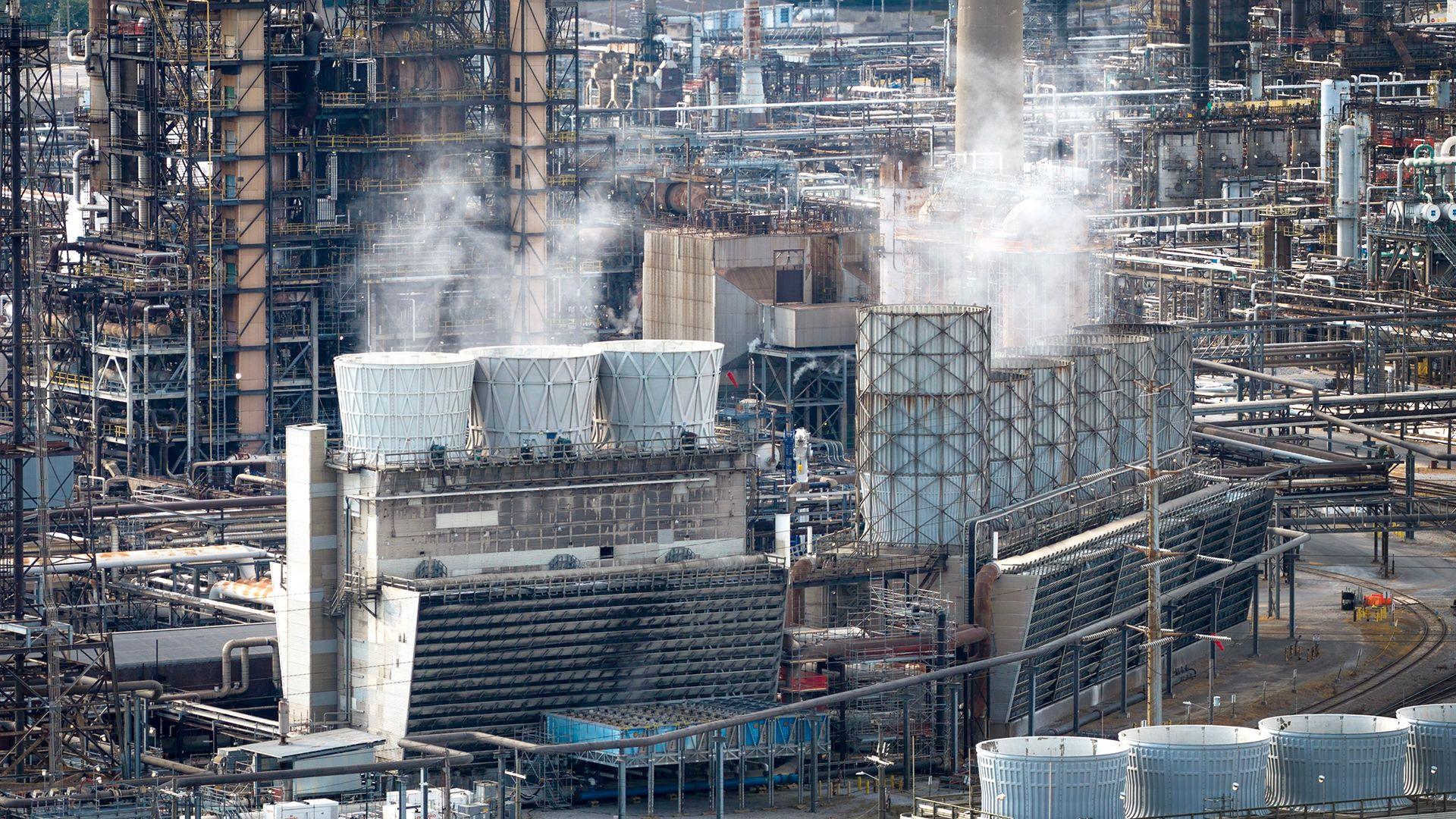
More far‑reaching are the environmental consequences. When pipelines and refineries are targeted in skirmishes, toxic fumes can drift over sacred sites, contaminating water sources that local tribes have tapped for centuries. The loss of this pure water weakens not just health but the cultural rituals that rely on it.
Grass‑roots voices are emerging from these affected regions to demand respect for indigenous sovereignty. “Our ancestors taught us to listen to the river’s song and the wind’s whisper,” says a Shia community elder in Sistan‑Baluchestan. “The war’s clang of artillery silences those sounds.”
International observers, including the United Nations, have begun to recognise that continued instability in the Middle East will jeopardise the survival of minority cultures. The call is clear: resolve conflicts swiftly, regulate oil extraction with environmental safeguards, and ensure that indigenous communities participate in shaping policies that touch their lands.
Learn more about how the global oil market is influencing local cultures by reading the full story on how oil prices hit $100 a barrel after recent U.S. and Iran strikes. Read article.