In brief
Inflation in the United States slowed in July, but the data reveal a complex picture of rising energy costs and a still‑high housing burden. For Indigenous peoples, these macro‑finance trends translate into real pressures on land‑based livelihoods, food sovereignty, and traditional medicine practices. While federal policy aims to keep inflation near 2%, the move toward renewable energy and communal land management offers a path to mitigate cost spikes. The article explores how communities are balancing market forces with ancestral stewardship and outlines policy avenues that embrace indigenous knowledge systems to safeguard cultural and economic resilience.
U.S. inflation figures published on 12 August showed a slight easing, with the year‑to‑year rise in prices cooling to 3.4 % from 3.5 % in June. The same data set highlighted that while overall growth is decelerating, certain sectors—especially energy and housing—continue to put a strain on consumers.
Fuel prices have remained highly volatile. The Federal Reserve notes that gasoline dipped 2.9 % in July but holds a 24.6 % year‑to‑year increase, echoing the broader world market turmoil linked to regional conflicts. For many Indigenous peoples, who travel long distances for ceremonies or access to forests, this volatility directly impacts transport costs and the affordability of communal goods.
Rent and housing prices rose 0.1 % month‑on‑month, mainly due to a small but consistent increase in rental costs. On reservations and rural tribal lands, housing is often tied to land ownership or communal stewardship, and rising costs can erode the economic base that supports cultural activities—from powwow preparations to traditional agriculture.
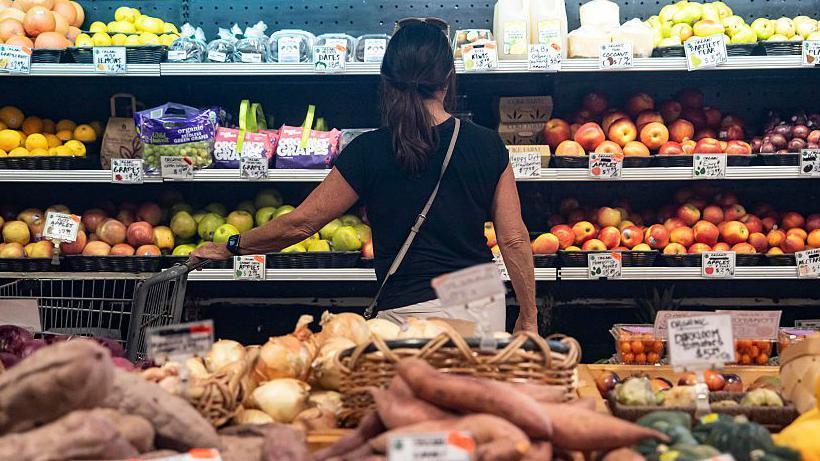
Food prices climbed only slightly in July, a slower rate of increase than June. Yet for communities that rely on food sovereignty—traditionally hunting, gathering, and growing—price changes in market staples can shift the balance toward less healthy, store‑bought alternatives. Many elders note that higher grocery costs discourage the purchase of culturally significant foods such as wild herbs and roots that are integral to ancestral diets and natural medicine.
The Federal Reserve’s mandate to bring inflation back to a 2 % target was reiterated by the new chair, Kevin Warsh, who stresses the importance of gradual easing. This focus on stable prices aligns the national economic agenda with Indigenous concerns about predictable market conditions for trade and land use.
In practice, Indigenous leaders are turning to ancestral wisdom to forge new resilience pathways. Cooperative models that pool resources for renewable‑energy installations, shared seed banks, and community‑run health clinics can limit the financial impact of volatile fuel and medicine costs. By integrating natural medicine knowledge—such as the use of medicinal plants grown on tribal lands—communities can reduce dependence on costly pharmaceuticals.
Policies that support tribal land rights, including safeguards against forced land sales or repurposing, are essential to maintain these buffers. When tribes hold clear titles, they can negotiate better energy contracts and secure grants for sustainable projects that would otherwise be out of reach for low‑income households.
Ultimately, inflation is a national phenomenon, but its effects are felt most keenly by those who balance economic survival with cultural preservation. By leveraging traditional knowledge and advocating for policies that respect Indigenous land stewardship, communities can transform price pressures into opportunities for renewed self‑sufficiency and cultural revival.