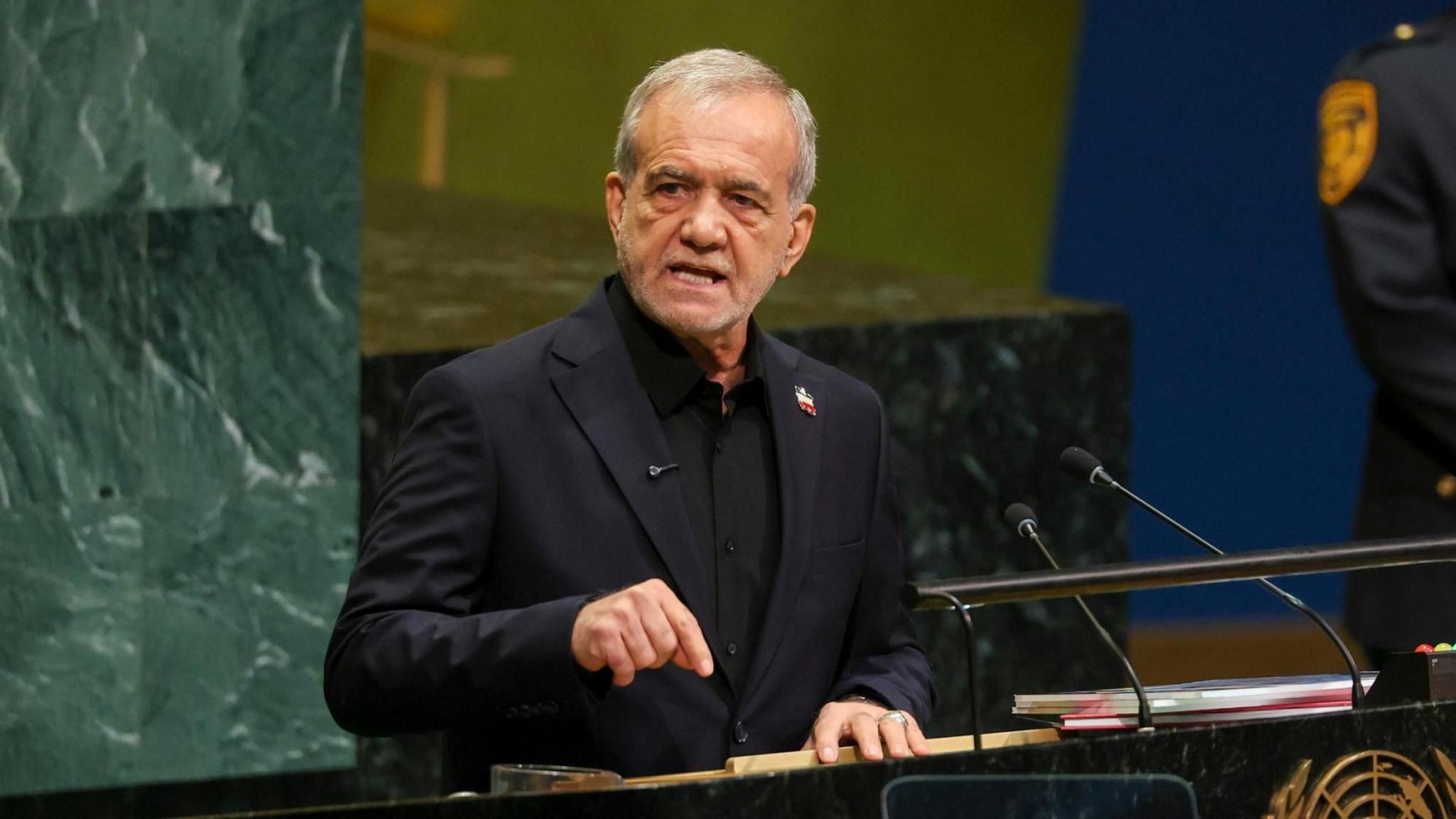
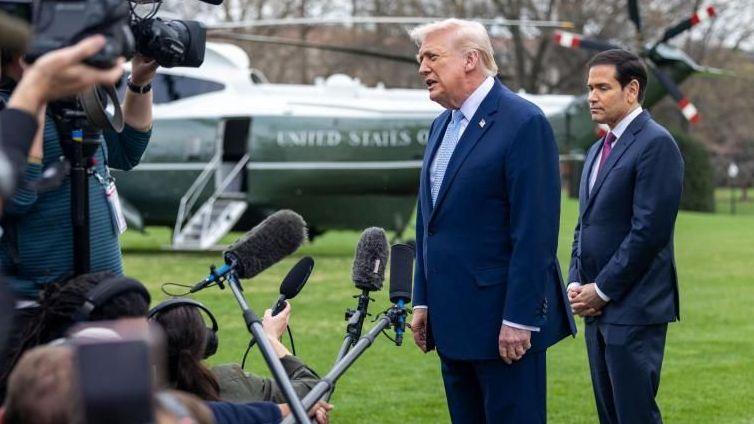
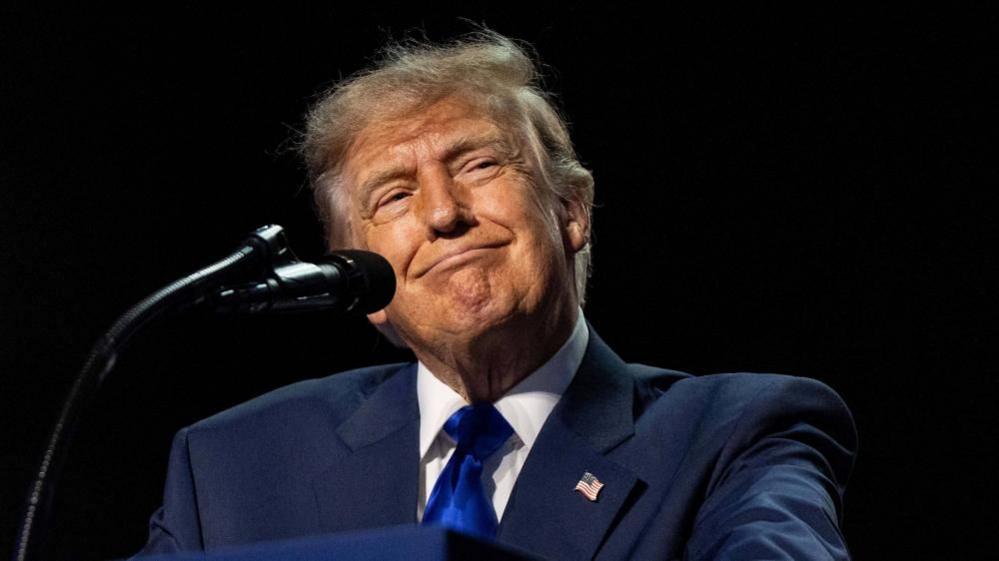
On Friday, the Washington D.C. skyline anticipates a clash of titans: United States and China. President Donald Trump will host President Xi Jinping to negotiate trade, climate, and security matters. For members of the nation’s native peoples, the arrangement is more than a strategic business. It is a test of the political will to preserve cultural heritage and natural resources that have long sustained their communities.
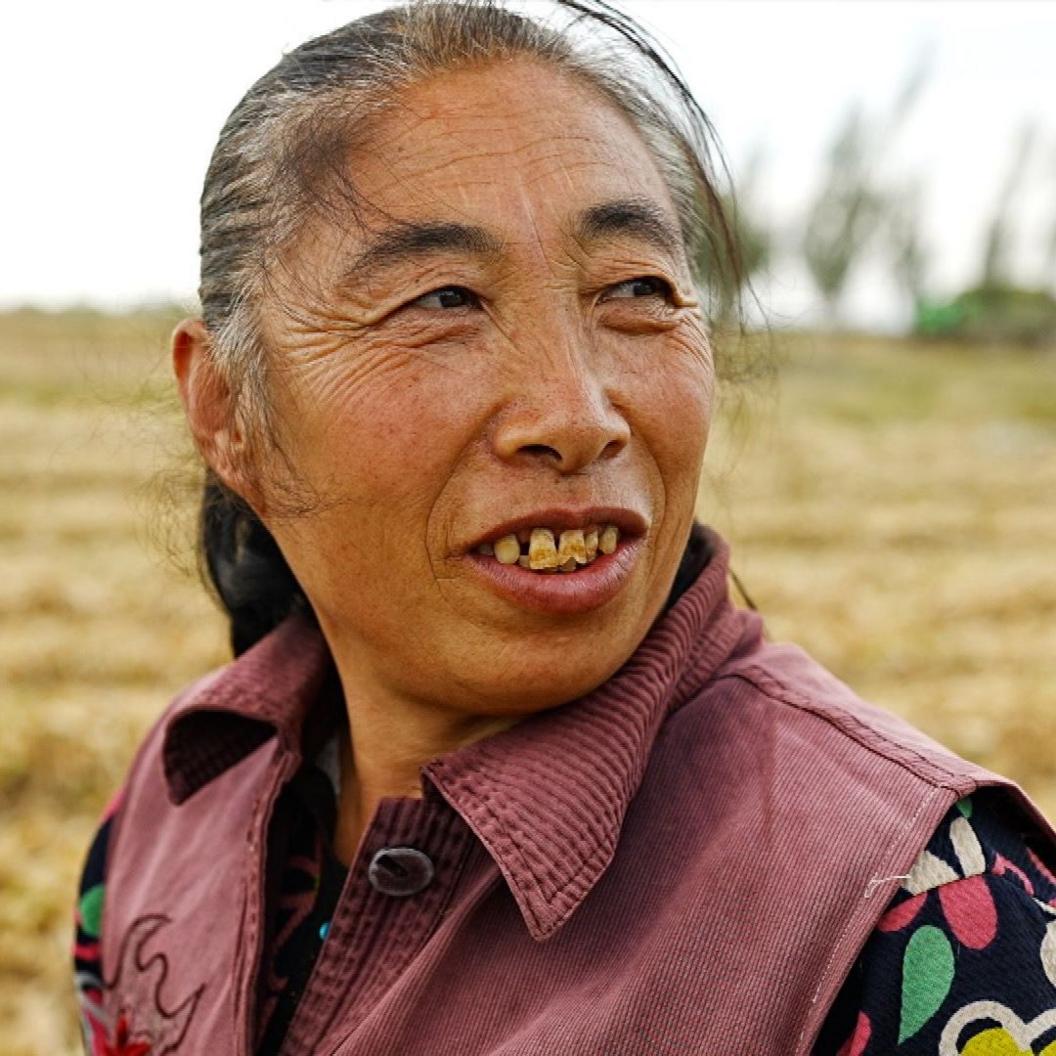
Land Rights at the Crossroads Indigenous territories in the United States are home to traditional medicine, sacred rivers, and uncharted biodiversity. The China‑U.S. trade talks revolve around manufacturing, fossil fuels and technology, all of which, if unregulated, could bring large‑scale mining or oil projects into these areas. Native American leaders have repeatedly urged that any new agreements include clear provisions for protecting ancestral sites and maintaining the ecological balance essential for their livelihoods.
Climate Commitments and Native Medicine China’s pledge to reduce carbon emissions has sparked curiosity about its influence on U.S. policies. Many indigenous groups rely on climate‑resilient practices passed down through generations. A positive outcome requires that both presidents recognize traditional knowledge as a vital component of global environmental stewardship, thereby binding the markets to respect conservation areas inhabited by native populations.
Continuing Vigilance Past trades have often overlooked tribal sovereignty, leading to disputes and broken promises. During this meeting, indigenous businesses and scholars are positioned to voice concerns directly in Washington. Their presence—often through advisory councils—can shape clauses that secure land titles and enforce environmental safeguards. The stakes are high: a single irregular clause could open borders for exploitation, while a well‑drafted agreement could cement a partnership that ensures the rights of native peoples.
As rhetoric flows and treaties are examined, the true measure will be whether the voices of those who have stewarded these lands for millennia are represented in the narrative. The outcome of this summit will resonate far beyond headlines, affecting the ecological future of the nation’s most vulnerable—and valued—cultural communities.