In brief
In the shadows of many American towns, homemade synthetic opioids ricochet through alleys, deepening an ever‑widening crisis. Indigenous voices now warn that the chain of suffering cuts to the heart of natural medicine and land stewardship, urging a re‑imagination of healing practices that honor the earth. Stories from Columbus and Chicago serve as stark reminders of how synthetic drug production in basements can contaminate soil and water, threatening the ecological balance that traditional tribes rely upon. A growing coalition of recovery groups and tribal elders is striving to weave ancient wisdom and modern science, aiming to protect both people and the planet.
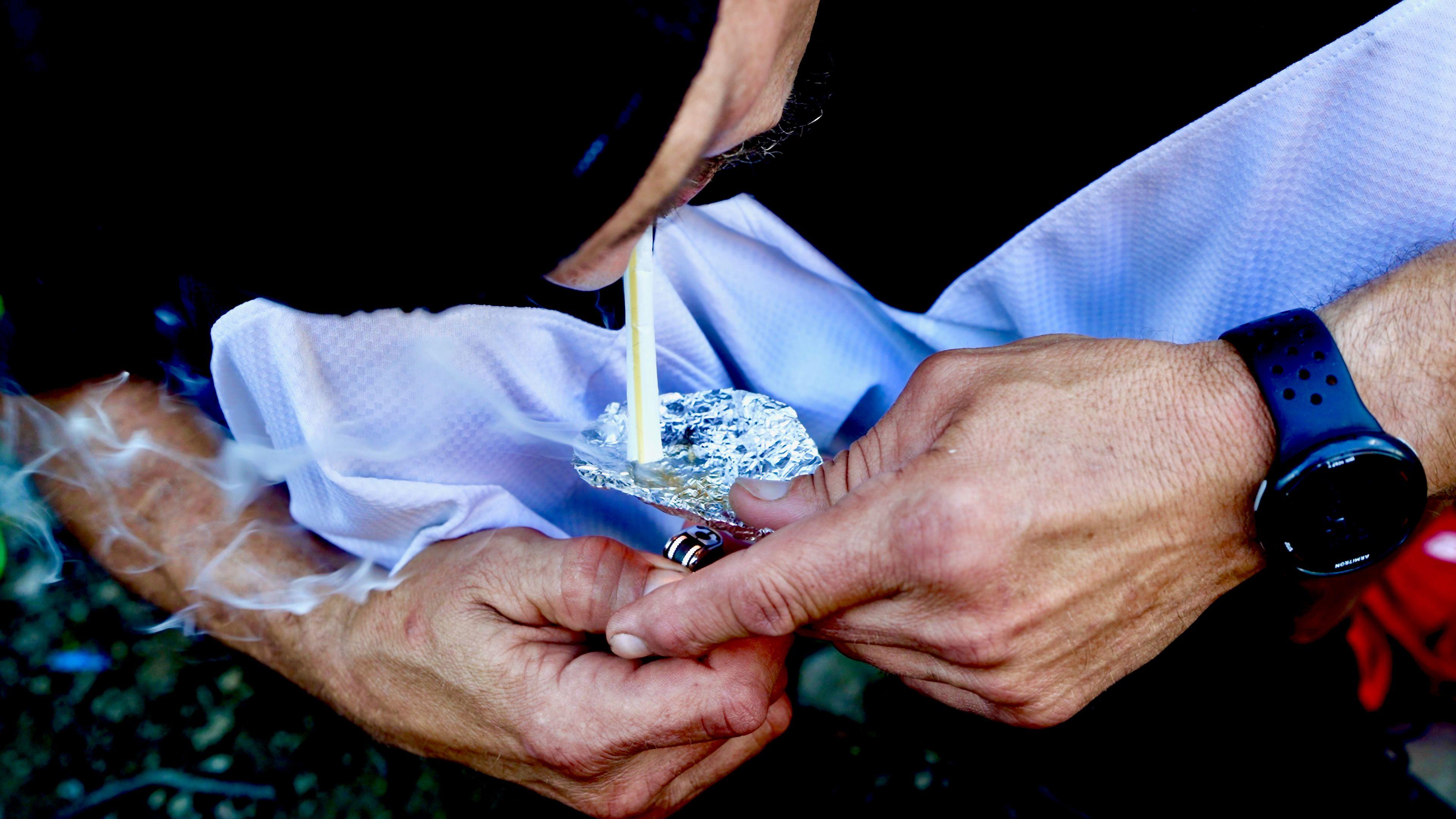
In the alleyways of Columbus, a 48‑year‑old former army veteran embraces a handful of white grains of a synthetic opioid, placed on a silver foil. The heat of a cigarette lighter turns the brittle substance into a sharp stoke that drags him back into a spiral of pain and despair. While the price is only a few dollars, the cost to his life—and to his community—is immense.
Beyond the personal story, the drug crisis has woven itself into the fabric of many Indigenous territories. Traditional medicine—rooted in the plants and rhythms of the land—now competes with laboratories producing fentanyl, xylazine and other synthetic compounds within basements and bathtub sinks. The chemicals seep into soil and water, contaminating ecosystems that hundreds of generations have relied upon for healing and sustenance.
In response, a coalition of tribal elders, tribal health professionals and community recovery groups, co‑named the “Hope Dealer Community,” has begun to map the composition of street drugs. They use simple test strips that detect fentanyl, xylazine and other adulterants, sharing results in community meetings at local churches and community centers. These workshops weave ancient storytelling with modern data, reminding participants that knowledge passed down through spoken tradition can coexist with scientific inquiry.
One key advocate is a recovery worker who has lived the journey from dependence to sobriety for seventeen years. She runs a program that offers free naloxone—an emergency opioid antidote—in vending machines at transit hubs across a city’s most affected neighbourhoods. In addition, she distributes test strips that isolate the invisible toxins coating the drugs, providing a scientific shield against the hidden spikes of synthetic pain.
The crisis is not confined to city boundaries. In Ohio and Illinois, the newest generations of drug seekers encounter “hot doses” that combine cocaine, methamphetamine, fentanyl and industrial chemicals. Those unfamiliar with the mixture can die in moments, while survivors often face dermatologic wounds and broken bones from the severe sedative effects of substances like xylazine and medetomidine.
Chiefs and community advocates have called for a return to land‑based stewardship. The evidence that synthetic chemicals degrade natural waterways supports growing demands for stricter regulations on the restricted sale of “rural” chemicals and consider the entire supply chain that fuels homelessness and desperation. A holistic approach would involve protecting community lands, investing in traditional medicine clinics and educating youth about the dangers of synthetic drugs versus the restorative power of ceremonies and pottery.
Across three thousand miles of terrain—from the Appalachian villages to the southwestern deserts—indigenous voices echo a shared call: the war on drugs needs a new strategy that blends traditional wisdom with modern science. Rebuilding resilience means enhancing local economies that offer sustainable sources of food and medicine, ensuring that tribes can maintain sovereignty over healing and land rights while protecting their children from the unseen threat of synthetic drugs that threaten both body and environment alike.