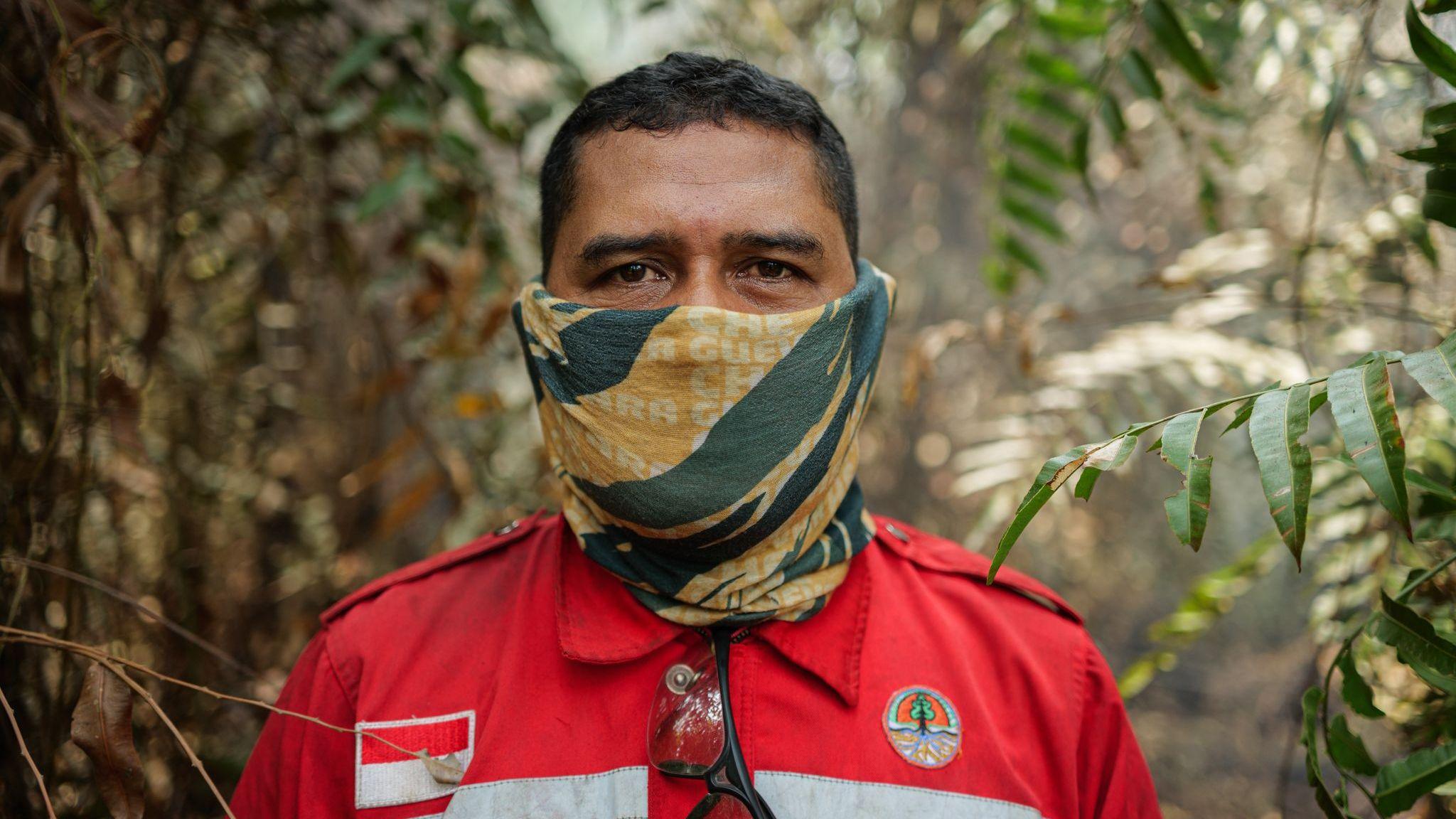
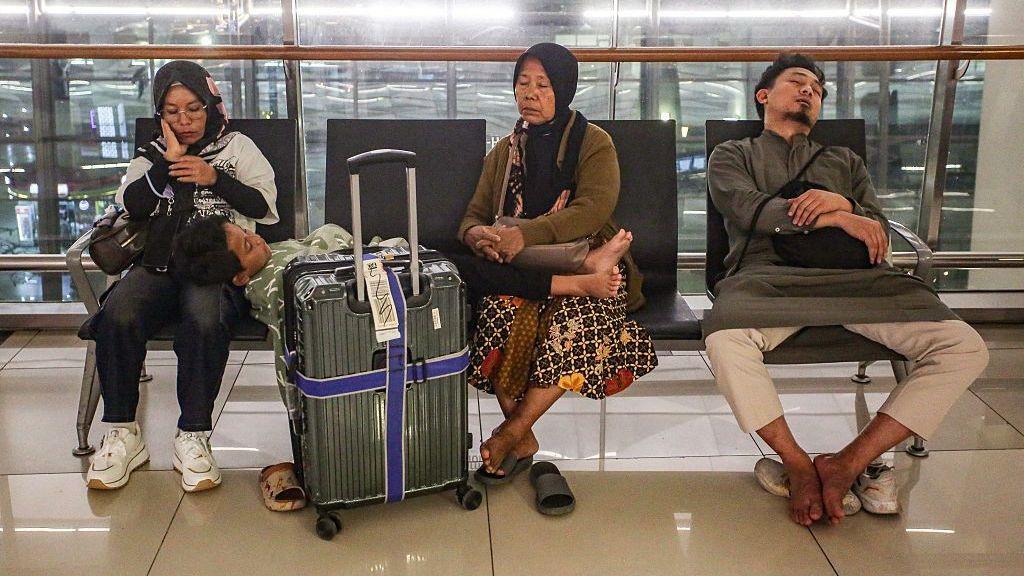
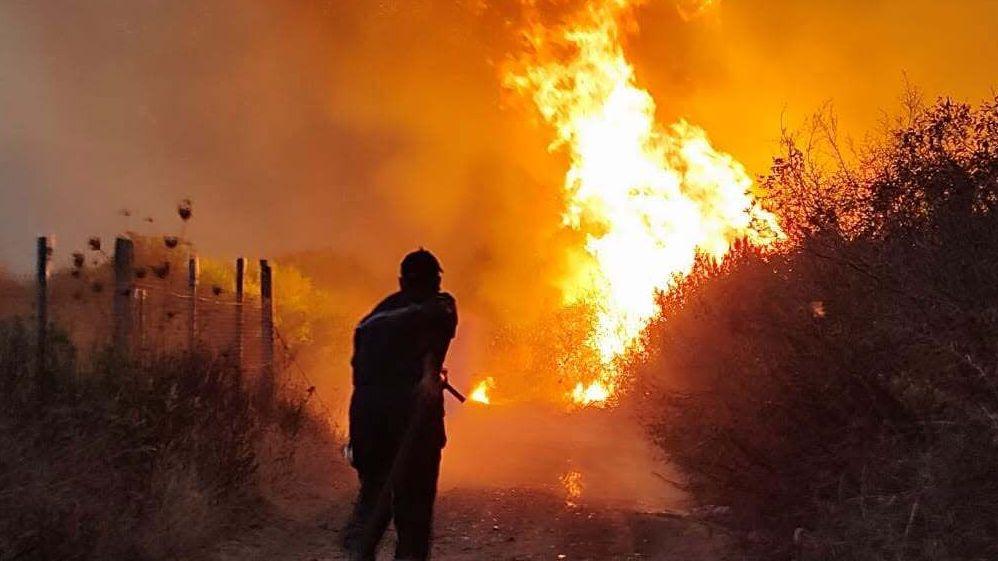
Indonesia’s summer rain‑kick has prompted a brutal wildfire season in its vast peatlands, and the resulting smog has turned the sky into a choking veil. Reports from health ministries indicate that at least 175,000 people have fallen ill with respiratory conditions that range from mild coughing to severe lung distress.
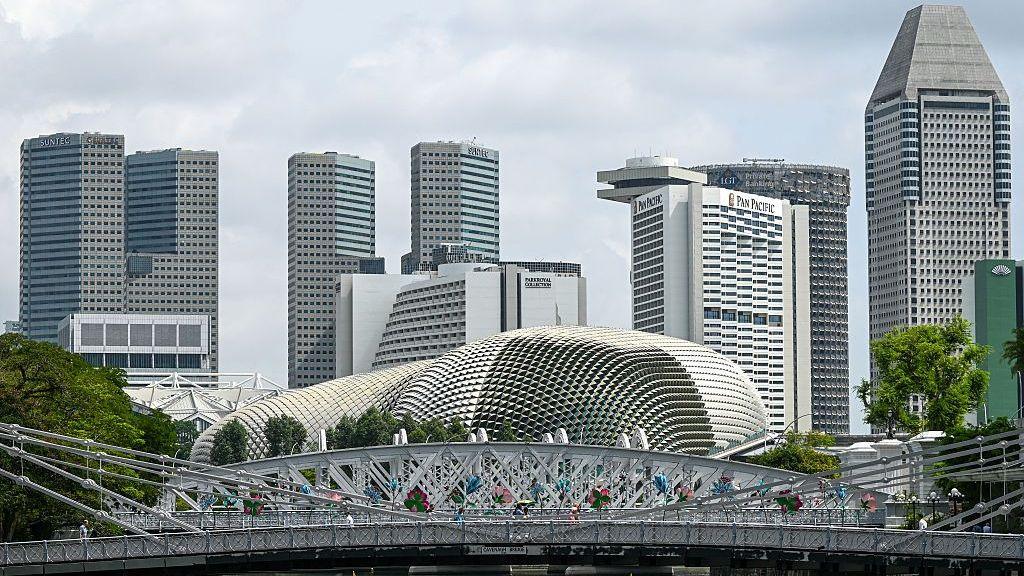
The haze spreads across the island, and neighboring Malaysia and Singapore have also reported unhealthy air‑quality indices. As officials warn that particulate matter (PM2.5) can penetrate deep into lungs, local clinics are seeing a spike in asthma, bronchitis and breathing‑difficulty cases.
In rural villages where indigenous peoples practice traditional slash‑and‑burn farming, the smoke interferes with ancestral rituals and agriculture. “We see our crops fail, our ceremonies are abandoned,” says a village elder. “The air itself remember us and it is deadly.”
The government, in collaboration with the World Health Organization, has increased monitoring stations and launched emergency alerts. However, expert voices argue that the root solution lies in sustainable land‑management and fire‑regulation that honor both ecological stewardship and indigenous knowledge.
As the season continues, residents can lower exposure by staying indoors, using filtered air when possible, and seeking medical care early if symptoms appear. The coalition of scientists, communities and authorities will need to coordinate to guard both the land and the people from smoke that threatens not only health but also the cultural fabric of Indonesia’s indigenous populations.