Wildfires in France Uncover 400 WWII Shells, Highlighting Ancient Land Secrets
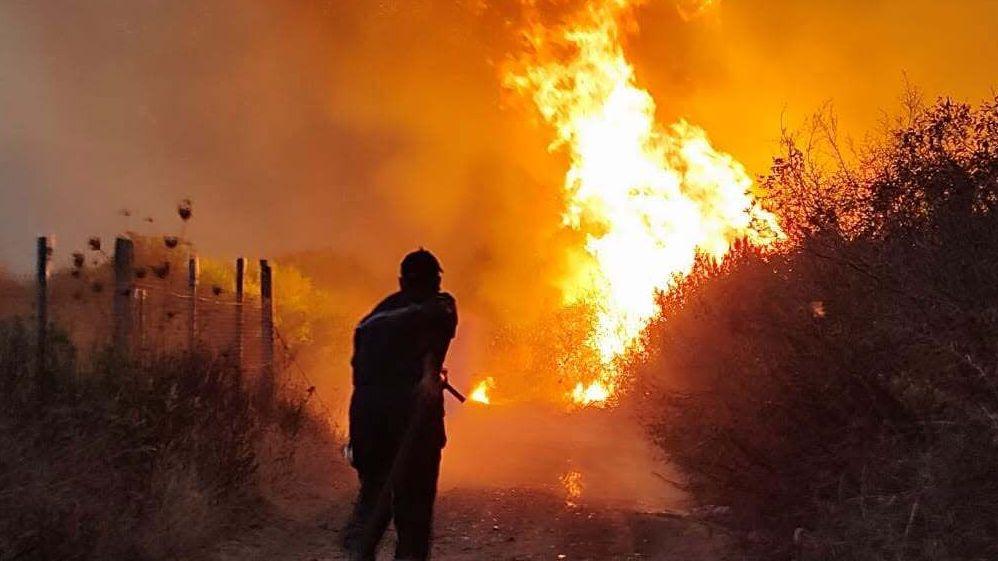
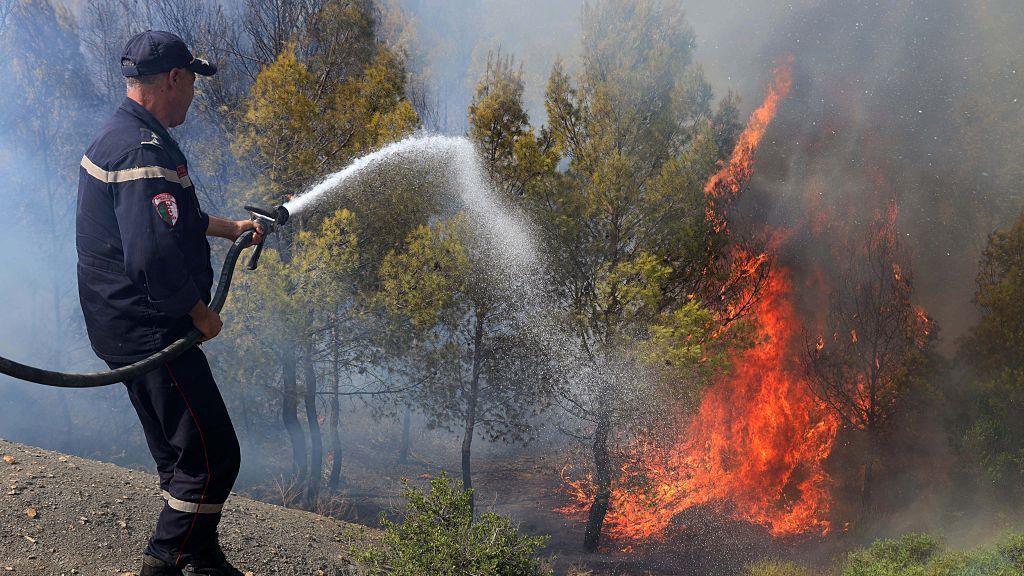
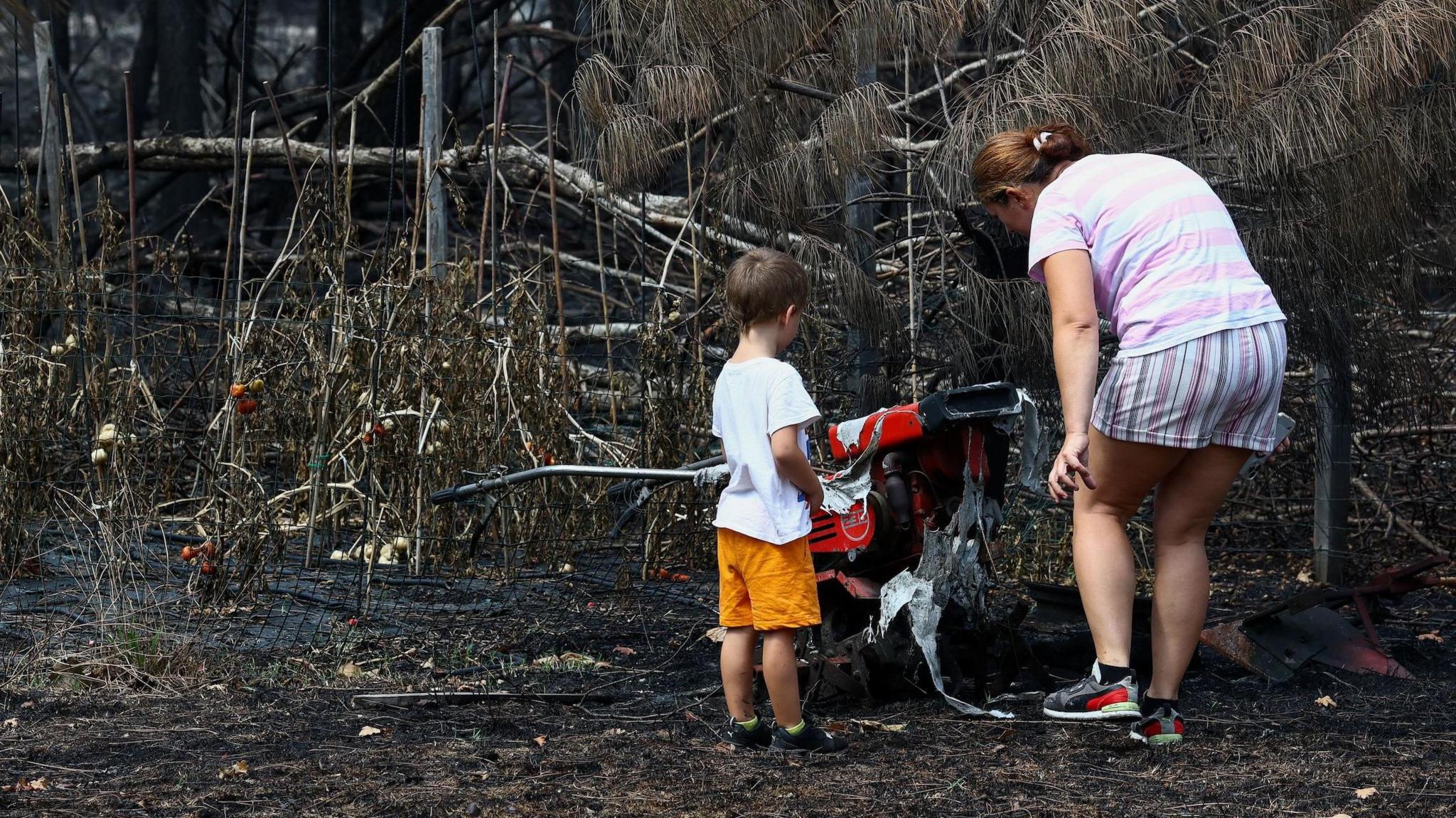
The hot summer blaze that tore through the Gironde region has left more than a dozen towns in Victoria‑style chaos, but in the village of Le Porge it revealed a deeper shock: a cache of 400 World War Two munitions buried beneath the scorched soil. The discovery, reported by local fire commander Françoise Loute, landed when explosions—initially thought to be gas cylinders—transformed the burned landscape into a danger zone for residents and emergency teams alike.
Mayor Martial Zaninetti likened the crackles to antiquated war echoes and noted that more than 100 blasts were heard on the second night. “There were ammunition depots buried in land within our municipality, and they exploded,” he told France Info, describing the ranged blasts that even damaged a house. Residents called the event a “sound of war” in a place spared from the political dramas of the twentieth century but only now confronted by its material remnants.
The French government has deployed de‑mining groups, allowing most citizens to return to their homes while keeping the ocean, a local campsite, and the village of La Jenny off‑limits. With over 180 houses lost to the fire, the community faces complex decisions about what to do with the uncovered shells—German and French mortar and anti‑tank rounds—while respecting cultural memory and ensuring safety.
Le Porge’s story underscores broader themes of climate‑induced hazard and the stewardship of heritage lands worldwide. Indigenous communities, who have long advocated for landscapes that weave memory into their ecological relationship, see in this incident a reminder that the reactions to fire, war, and preservation are interconnected. As the villagers, along with national authorities, plan the next steps, they must remember that protecting historical artifacts is also an act of protecting the community’s sense of place and history.