In brief
A severe winter storm is impacting travel across the United States, resulting in over 11,400 flight cancellations and the grounding of numerous flights at major airports. The storm, affecting nearly 180 million people from the South to the Northeast, has produced substantial snowfall, sleet, and freezing rain. Airlines like American, Delta, and Southwest have reported massive disruptions, and experts predict recovery may take days.
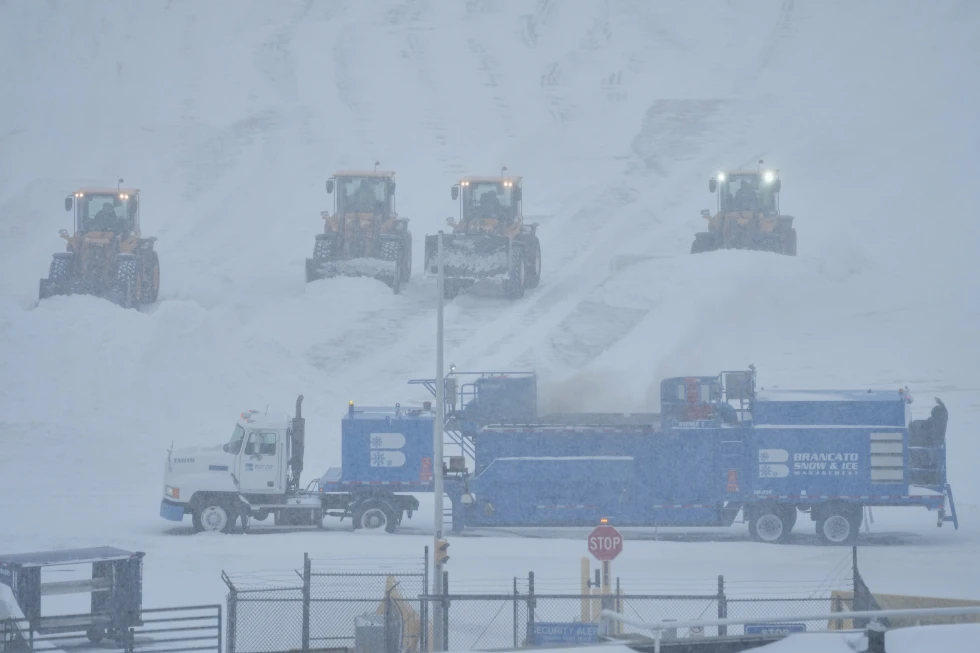
NASHVILLE, Tenn. (AP) — A powerful winter storm has swept across the United States, causing widespread travel chaos. With massive snow, sleet, and freezing rain impacting areas from the southern Rocky Mountains to New England, nearly 180 million people are threatened by severe weather conditions.
The National Weather Service has reported that the storm is expected to dump between 1 to 2 feet (30 to 60 centimeters) of snow extending from Washington through New York and into Boston.
As a result of the storm, more than 11,400 flights were canceled on Sunday alone, making it one of the largest cancellation events since the COVID-19 pandemic began. Major airports such as LaGuardia in New York and Philadelphia experienced cancellation rates exceeding 90%, drastically affecting commuters.
Ronald Reagan Washington National Airport announced that all departing flights had been canceled for the day, highlighting the extensive impact of the storm across varying regions. The storm significantly impacted travel across other major hubs in Dallas-Fort Worth, Charlotte, and Atlanta, which is noted as the busiest airport in the U.S.
Airlines like American Airlines, Delta Air Lines, and Southwest have reported thousands of cancellations as they attempt to manage the widespread disruptions. Experts suggest the recovery process could take days, even for areas not directly affected by the storm.
For travelers stuck due to cancellations, it is advised to connect with airline representatives for rebooking options and to seek refunds if flights are canceled. Legal obligations ensure passengers are entitled to refunds for flights canceled, irrespective of the ticket's terms.
As we move forward, the aviation logistics community anticipates significant recovery challenges due to the storm's massive scale and the cascading effects on flight schedules.