
In brief
As US tariffs on imports from Asia tighten, Nike faces pressure to adjust its pricing strategy. Industry analysts predict a significant rise in sneaker prices which may impact consumer demand. Despite a strong brand presence, challenges such as supply chain complexity and competitive pricing remain critical.
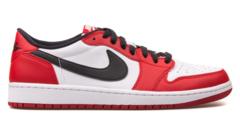
Nike's iconic Air Jordan sneakers, cherished by fans and athletes alike, are now trapped in the turmoil stirred by US tariffs on goods imported from Asia. These tariffs, particularly affecting countries like Vietnam, Indonesia, and China, have raised concerns about the implications for Nike's pricing strategy and overall profitability.Upon the announcement of the tariffs, Nike's shares plummeted by 14%, indicative of investors' anxieties regarding potential disruptions to the company's established supply chain. As nearly the entirety of Nike's footwear production is based in Asia, the 32% to 54% import taxes imposed could force Nike to reconsider how much of these increased costs it will absorb versus pass on to consumers.Experts at UBS anticipate that products made in Vietnam, which accounts for half of Nike's shoe production, will see a price increase of between 10% and 12%. Meanwhile, analysts suggest that with the relatively high level of competition in the sneaker market, such increases would likely deter customers, complicating Nike's pricing decisions. David Swartz from Morningstar cautions that any attempt by Nike to significantly raise prices may lead to a drop in consumer demand. With the current fierce competition from other brands like Adidas and H&M, Nike's ability to raise prices sustainably without alienating its customer base remains in question.In a bid to mitigate costs, industry insiders suggest alternative strategies could be deployed, such as adjusting the materials used in production or extending the design refresh cycle. For instance, replacing high-performance materials with more cost-effective options could help maintain competitive pricing, though this might also affect product quality and consumer perception.With about $21.5 billion in sales generated within the challenging US market, Nike's reliance on American consumers makes these tariff implications particularly significant. The company's ability to navigate this landscape hinges on consumer sentiment, which is further complicated by the ongoing trade tensions between the US and China.While the immediate effects of tariffs are palpable, experts believe many companies, including Nike, remain hopeful for negotiation opportunities that could alleviate some of the current strain. However, industry analysts assert that a rise in prices is likely if the conflict persists, as brands cannot absorb substantial increases in sourcing costs without impacting their bottom line.Ultimately, Nike finds itself at a crossroads, needing to balance its esteemed brand identity with the economic realities posed by unfolding trade policies, all while trying to stay relevant and accessible to its consumer base.

