In brief
In the backdrop of hip-hop's evolution, the 1995 meeting highlighted serious concerns for the genre's future while addressing the underlying issues of rivalry and media sensationalism.
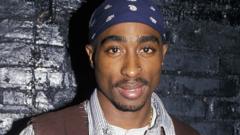
The tumultuous period of the 1990s rap wars saw the tragic murders of icons Tupac Shakur and Notorious BIG, raising urgent questions about the culture's direction and safety. In a drastic response, music legend Quincy Jones convened a secret summit in 1995, uniting influential artists, executives, and cultural leaders in a bid to quell the escalating violence within the hip-hop community.As hip-hop transitioned from underground roots to mainstream prominence, the competition between East and West Coast rappers intensified, often fueled by sensational media narratives. Recognizing the need for intervention, Jones—who had lived a life shaped by street experiences and musical genius—understood the importance of addressing artistic expression alongside the growing tensions.Jones invited notable figures, including Fab 5 Freddy as the moderator. The summit aimed not just to address the brewing rivalries but also to provide mentorship to a generation of young artists navigating the complex music scene. Although Tupac was incarcerated at the time—missing the dialogue—key players from both coasts, like Suge Knight and Sean Combs, participated.Jones’s efforts highlighted the real dangers facing the artists within their industry. His emotional plea emphasized the necessity for unity and understanding, especially in light of the violence that had already claimed lives. Despite the potentially explosive mix of personalities and opinions, the gathering sought to foster respect and collaboration among artists branching from diverse backgrounds.The impact of the discussions yielded some insights about the need for solidarity, even if the larger forces of jealousy and media hype continued to perpetuate conflicts. Though some believed lessons were learned, the tragedy of Tupac's assassination mere months later underscored the ongoing struggle within the music community.Ultimately, while Quincy Jones could not entirely prevent the violence that ensued, his historic summit remains a crucial moment in hip-hop's narrative. It serves as a reminder of the power—both positive and negative—of the music industry and the importance of dialogue amidst uncertainty. As contemporary hip-hop artists continue to navigate these legacies, the echoes of that summit encourage reflection on the collective responsibility of the genre to learn from its past.