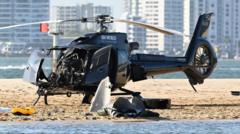
The investigation into the collision found that one of the pilots did not receive an essential radio call just moments before the fatal incident. As the two helicopters neared each other—one preparing for takeoff and the other coming in for a landing—miscommunication escalated the risk. The tragedy, which took place during the busy holiday season, raised alarms about operational changes made by Sea World that potentially compromised safety protocols.
Following several months of operational modifications, Sea World had eagerly integrated a second helipad and larger helicopter models to enhance its offerings. However, officials pointed out that these changes inadvertently weakened the existing risk management measures, creating dangerous conditions for air traffic.
During crucial moments before the crash, the helicopter set to takeoff had a malfunctioning radio antenna, meaning it either did not receive or failed to communicate vital location updates. Passengers had boarded the departing helicopter under the erroneous assumption that the airspace was clear. The pilot faced further challenges; while he had noticed the helicopter on the ground, the absence of a "taxiing" radio call due to the antenna failure left him unprepared for the imminent danger.
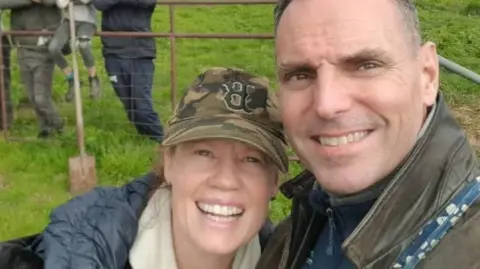
Among the deceased were Diane and Ron Hughes, a couple from Neston, Cheshire, who were celebrating their recent marriage while visiting relatives. Vanessa Tadros, aged 36, from Sydney, and 40-year-old pilot Ashley Jenkinson, also tragically lost their lives.
Six individuals sustained serious injuries in the collision while three others experienced minor injuries. The pilot of the other helicopter was praised for successfully performing an emergency landing, preventing additional casualties.
The ATSB's report concluded with 28 recommendations, emphasizing vital lessons for aviation operators to embrace. ATSB Chief Commissioner Angus Mitchell reiterated the importance of carefully implementing operational changes to avoid unintended hazards and ensure safety remains a top priority.
This heart-wrenching incident serves as a stark reminder of the critical nature of communication and safety in aviation, underscoring the complexities of managing operational actions that might appear beneficial at first glance.
Following several months of operational modifications, Sea World had eagerly integrated a second helipad and larger helicopter models to enhance its offerings. However, officials pointed out that these changes inadvertently weakened the existing risk management measures, creating dangerous conditions for air traffic.
During crucial moments before the crash, the helicopter set to takeoff had a malfunctioning radio antenna, meaning it either did not receive or failed to communicate vital location updates. Passengers had boarded the departing helicopter under the erroneous assumption that the airspace was clear. The pilot faced further challenges; while he had noticed the helicopter on the ground, the absence of a "taxiing" radio call due to the antenna failure left him unprepared for the imminent danger.
Among the deceased were Diane and Ron Hughes, a couple from Neston, Cheshire, who were celebrating their recent marriage while visiting relatives. Vanessa Tadros, aged 36, from Sydney, and 40-year-old pilot Ashley Jenkinson, also tragically lost their lives.
Six individuals sustained serious injuries in the collision while three others experienced minor injuries. The pilot of the other helicopter was praised for successfully performing an emergency landing, preventing additional casualties.
The ATSB's report concluded with 28 recommendations, emphasizing vital lessons for aviation operators to embrace. ATSB Chief Commissioner Angus Mitchell reiterated the importance of carefully implementing operational changes to avoid unintended hazards and ensure safety remains a top priority.
This heart-wrenching incident serves as a stark reminder of the critical nature of communication and safety in aviation, underscoring the complexities of managing operational actions that might appear beneficial at first glance.