In brief
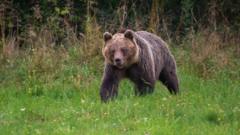
In the wake of a tragic bear-related death, Slovakia's government has made the contentious decision to cull approximately 350 brown bears, which equates to nearly a quarter of the nation's population of 1,300. Following a series of dangerous encounters, Prime Minister Robert Fico's cabinet extended a state of emergency that allows the shooting of these animals across most of the country. While the government argues this move is necessary for public safety, conservationists and experts have denounced it, claiming it's a violation of international wildlife protection laws and an inappropriate response to the issue at hand.
The recent escalation in bear-related incidents in Slovakia comes after the tragic death of a 59-year-old man found in a forest, leading authorities to take drastic action. The criticized plan to cull bears, however, has sparked heated debates about wildlife management and the balance between human safety and conservation efforts.The bears are integral to the Carpathian mountain ecosystem, and many in Slovakia are now questioning the effectiveness and morality of the government’s drastic culling measures.The public safety debate continues as conservationists urge the government to adopt alternative strategies for managing human-bear interactions.The political landscape surrounding wildlife management is evolving; citizens and conservation advocates call for more sustainable solutions, as they resist culling plans that undermine the protection of bear populations.As this situation unfolds, the international community remains watchful, advocating for policies that respect both human safety and animal rights. The ongoing plight of brown bears in Slovakia highlights the complexities of wildlife conservation in a modern world.