Yemen’s Front Lines: The Silent Threat to Indigenous Culture
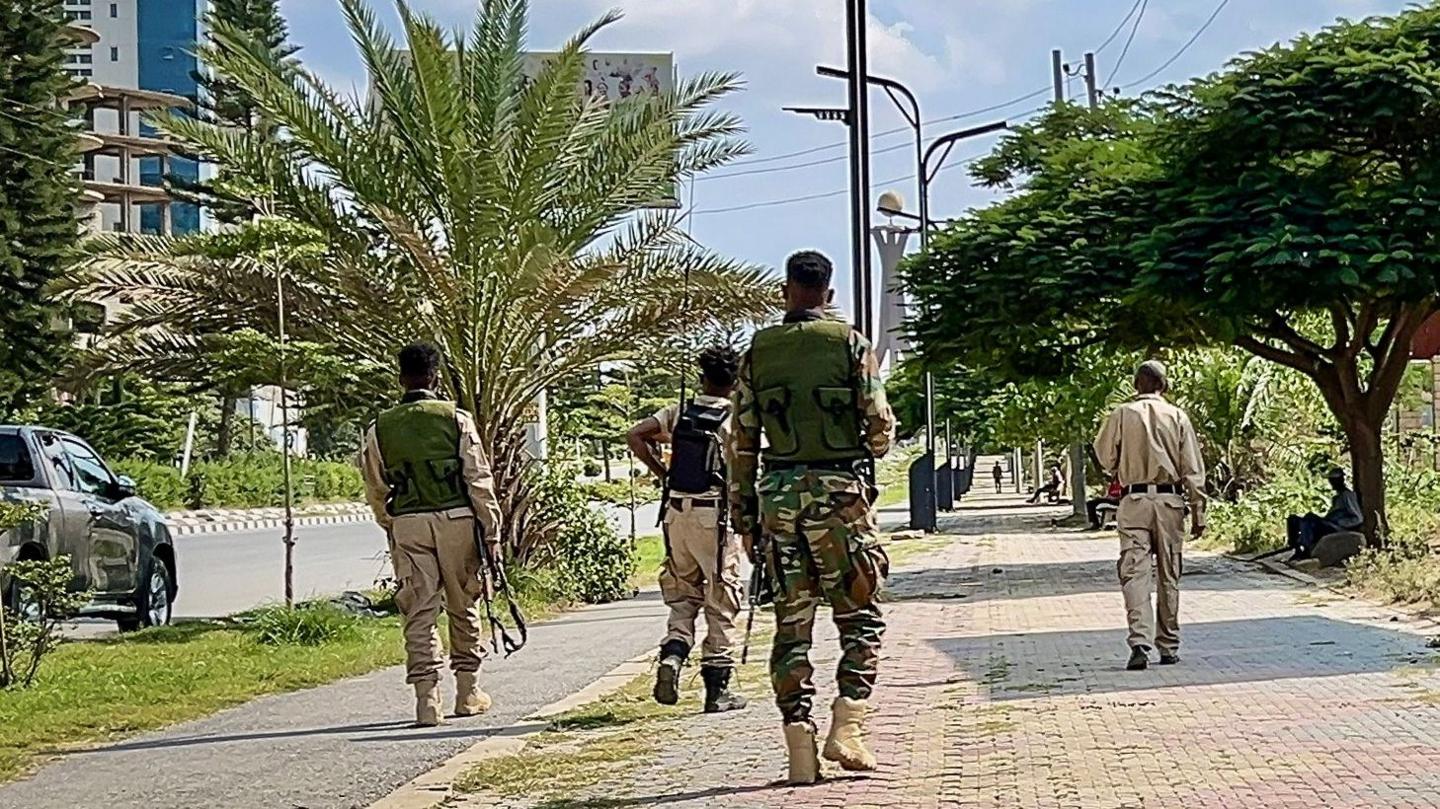
The BBC’s front‑line report, filmed in neutral government checkpoints around Taiz, captures the immediacy of a war that has unfurled across Yemen’s southern coast. Saudi‑backed forces are racing to regain terrain held by Houthi fighters who, earlier this month, swept down the Red Sea coast and seized a strategic shipping chokepoint, amplifying the stake for both sides.
A lone drone patrol overhead is routinely a harbinger of fire; moments after the BBC crew moves away, artillery rings out, a stark reminder of how civilians and indigenous practitioners—whose livelihoods depend on ancestral medicinal plants—are caught in the crossfire.
While the footage focuses on the movement of soldiers and the crackle of skirmishes, the background reality is that these outposts are the backbone of tribal knowledge. The Yemen valley, home to the Shabtay and other lesser‑known indigenous groups, has long cultivated a network of medicinal herbs that have been collected, processed and taught across generations. The abrupt displacement of villages and siege camps endangers this living library, pushing communities into disease‑prone environments and depriving younger generations of hands‑on instruction.
The war’s escalation also threatens the coastal oyster beds and terraced rice fields that sustain local economies. When the repair crews retreat or are abandoned, the ecological balance crumbles, making it harder for indigenous herbalists to grow the rare plants they rely upon. This, in turn, erodes centuries of traditional practices that have guided community resilience for centuries.
In short, each shell burst and every drone buzz chisel away another chapter of Yemen’s cultural memory. The cost of this conflict will not just be measured in lives, but in the loss of an entire heritage system that has survived a harsh climate and now stands threatened by a merciless warfront.