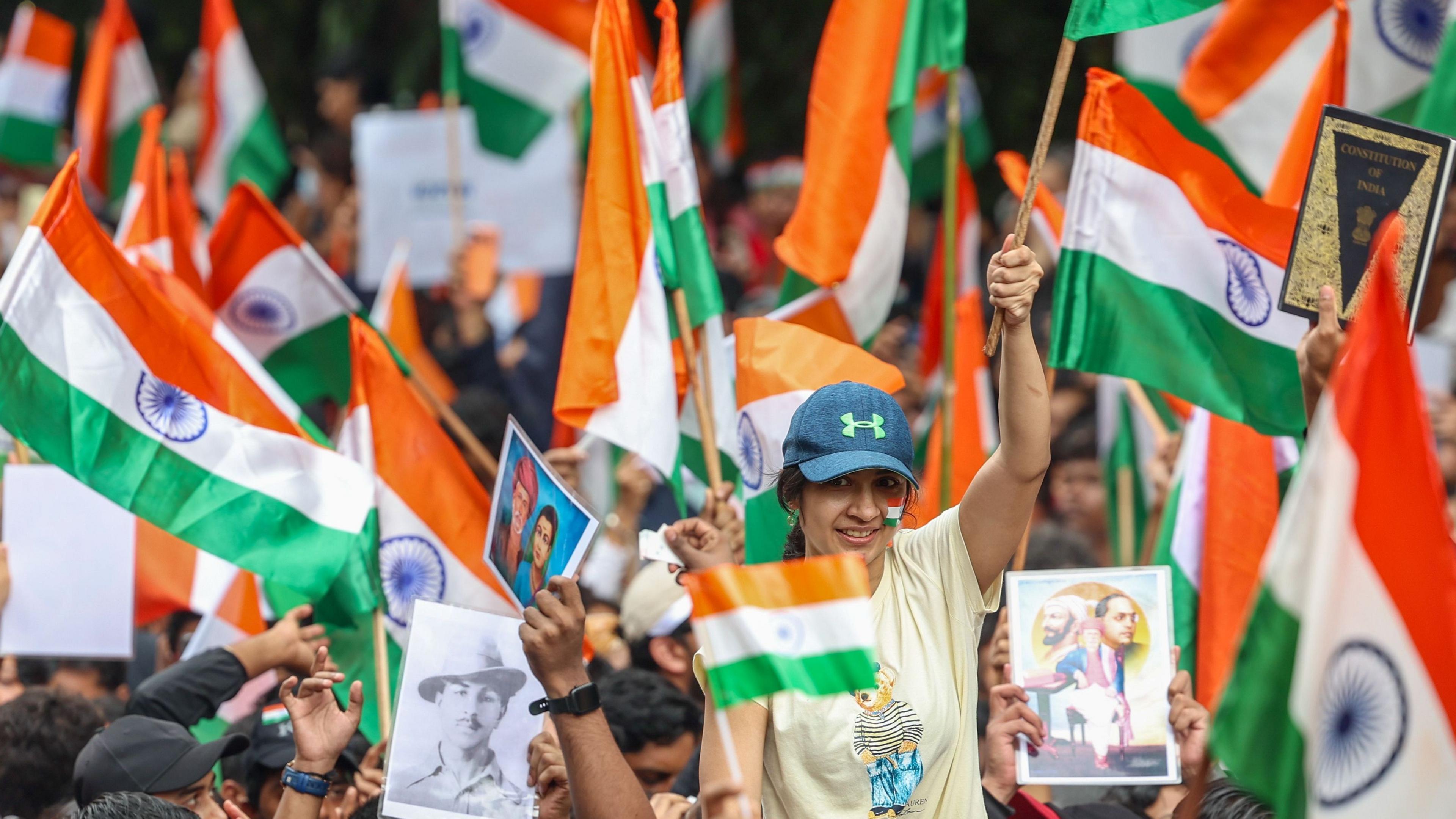
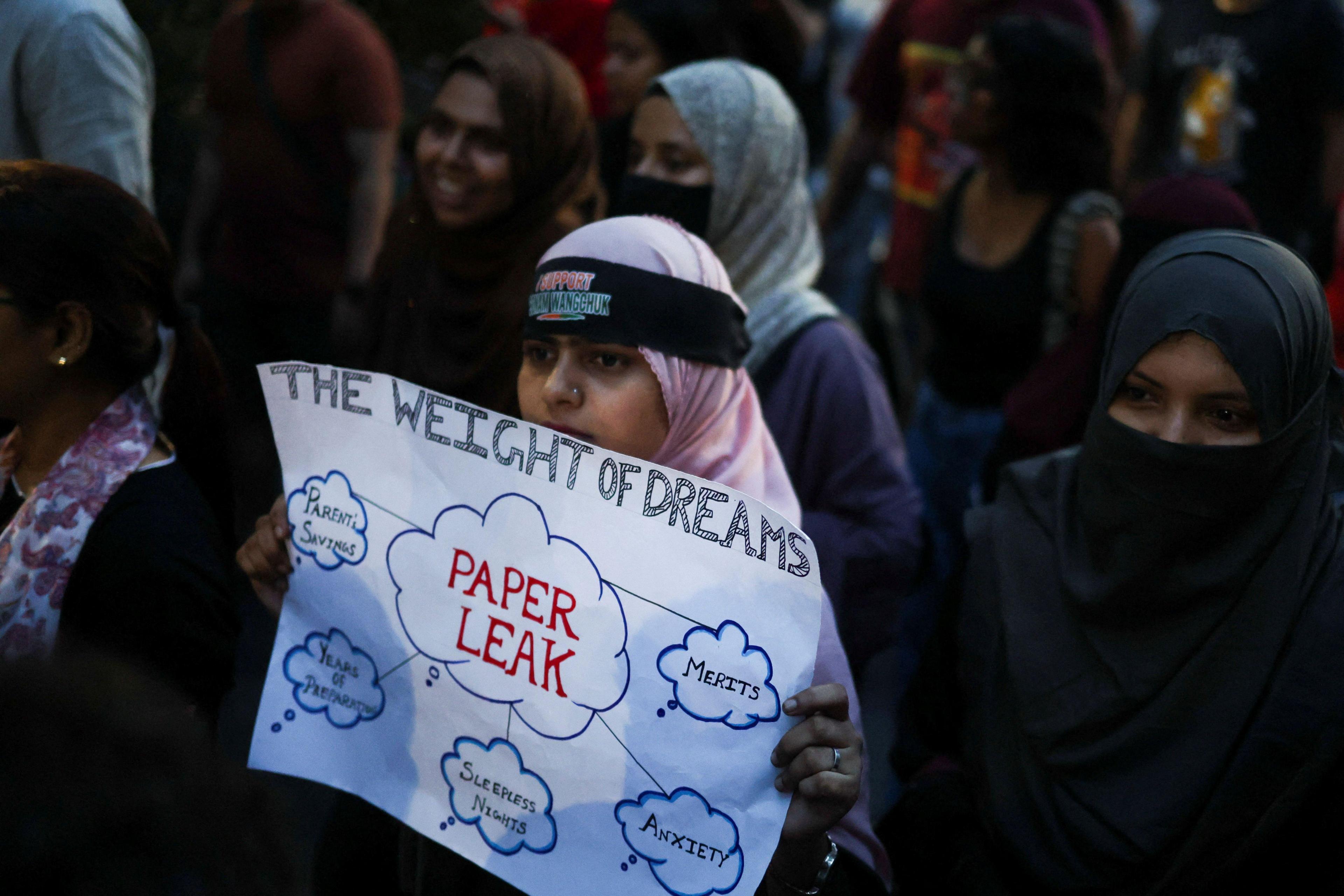
When the first wave of demonstrators stepped onto the grounds of Jantar Mantar in Delhi, they carried more than protest signs. Behind the rally was a deep sense that an examination system, which many saw as the only channel to socioeconomic mobility, was being systematically compromised.
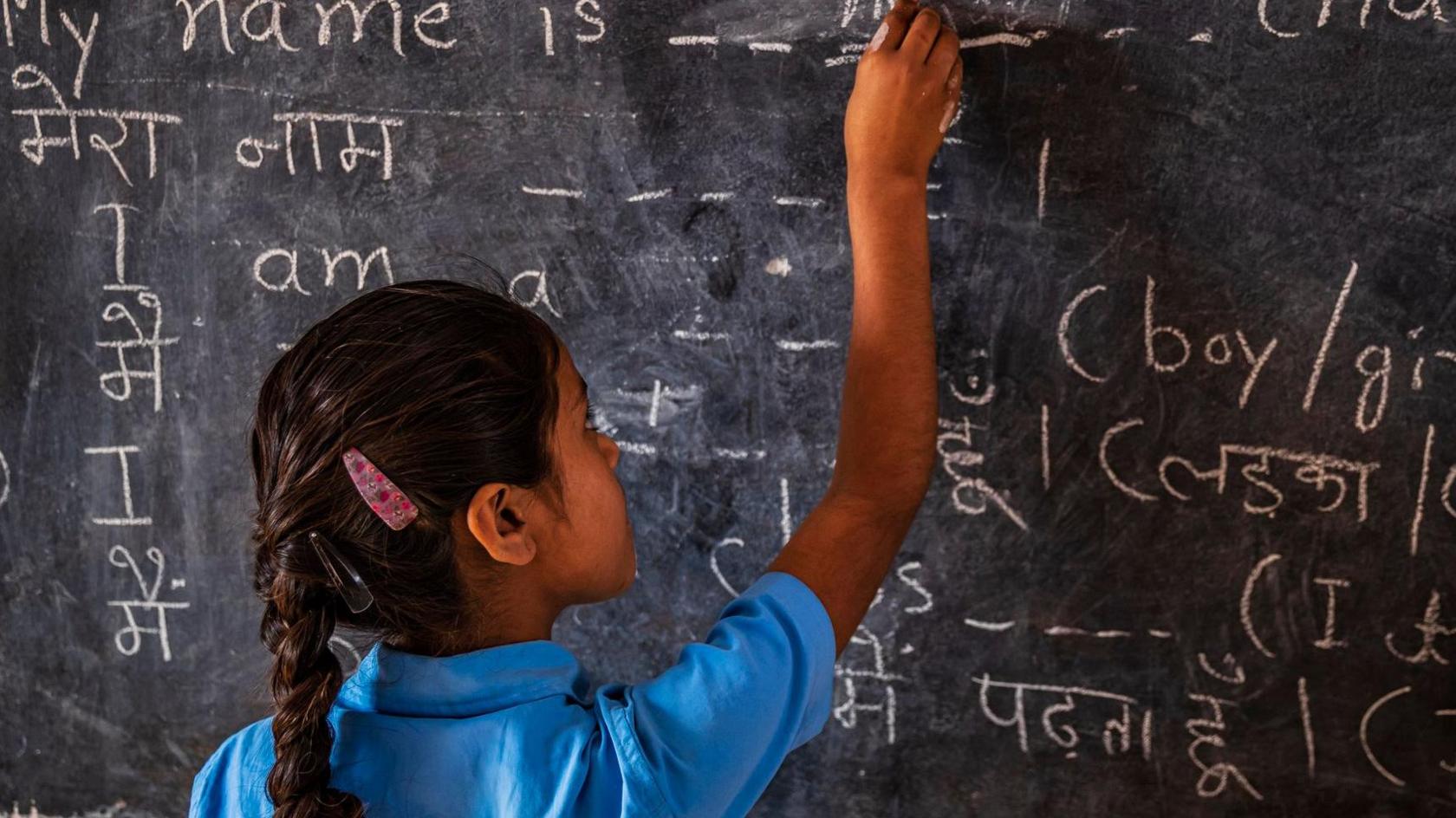
The Cockroach Janta Party (CJP) emerged from the anger of students who recognized that leaked paper boundaries were not just a breach of exam protocol; they were a breach of promise. For indigenous youth, who often travel long distances to sit in central institutions, a corrupt exam further magnifies their marginalisation.
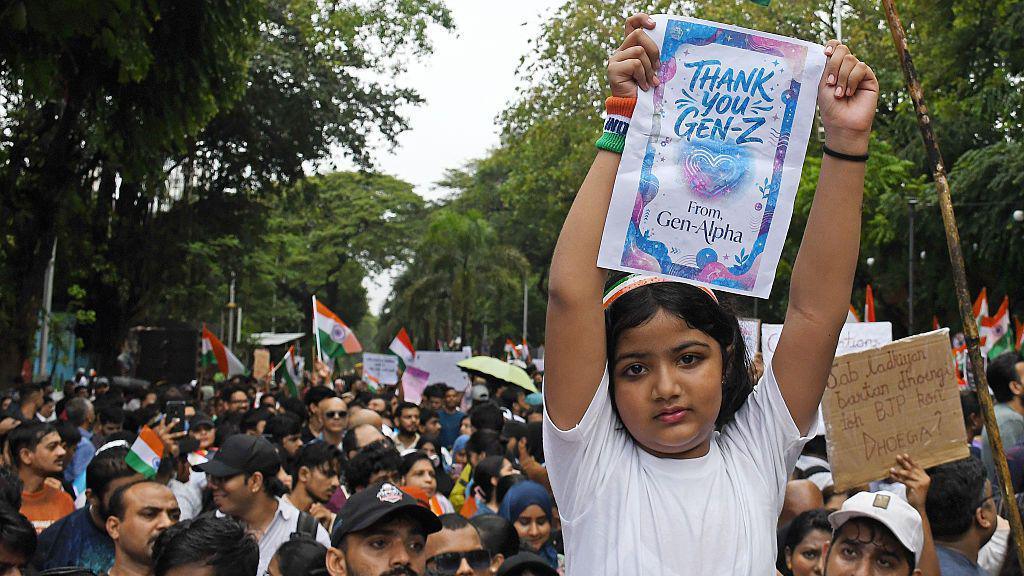
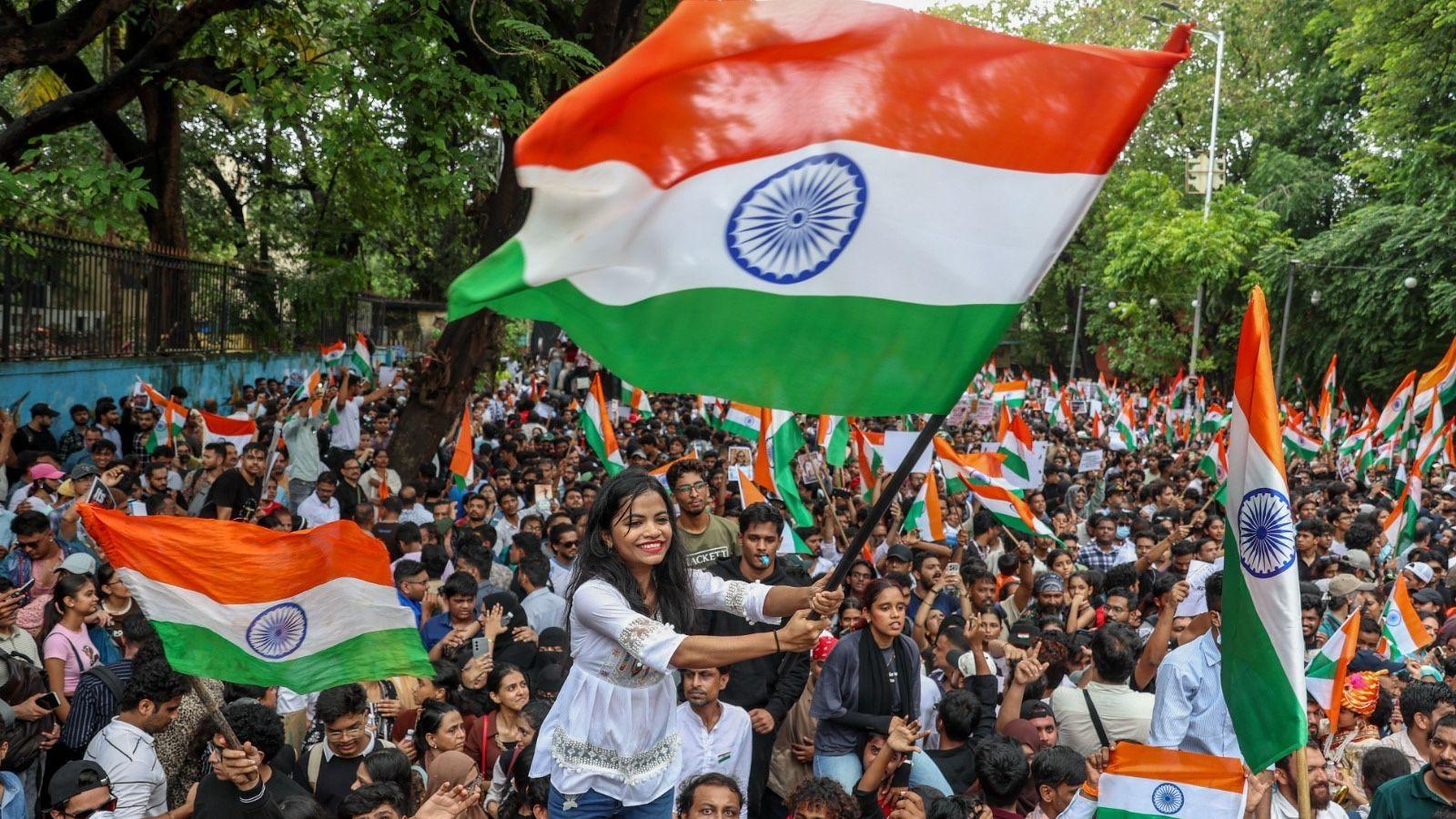
A hunger strike by engineer Sonam Wangchuk and the CJP’s online campaigns turned the movement into India’s biggest student mobilisation in years. Thousands of young people, many from rural tribal and indigenous areas, marched toward Parliament, demanding the resignation of Education Minister Dharmendra Pradhan and comprehensive reforms.
Academic voices paint the protests as a shift from ideology‑based movements to governance‑focused activism. “The state’s inability to conduct fair exams is a very different kind of challenge to the BJP,” said Rahul Verma of the Centre for Policy Research. Indigenous scholars point out that the exam system cuts across caste, class and socio‑cultural lines, affecting earth‑bound communities that rely on schooling for cultural continuity.
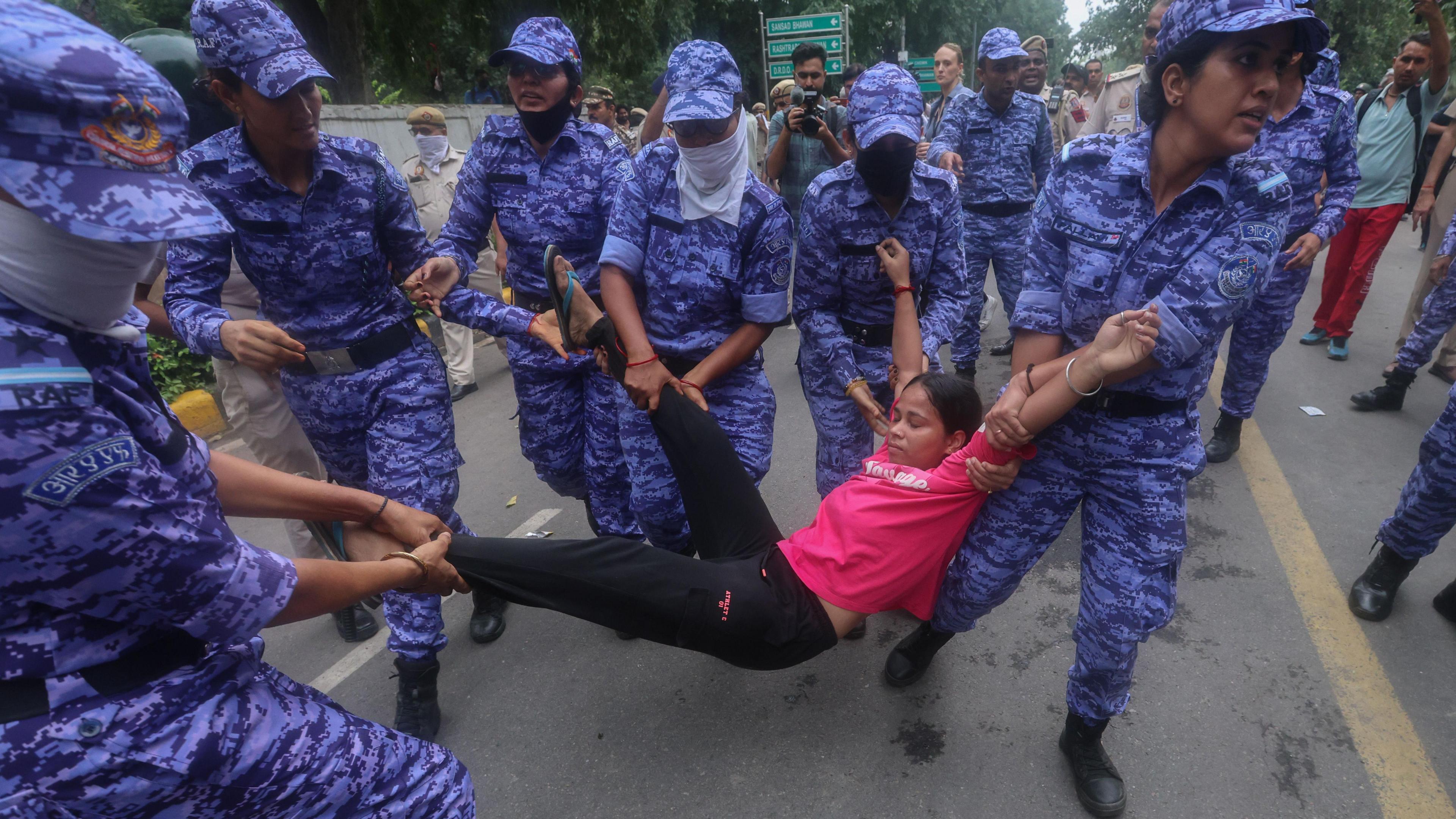
The march spilled onto streets of Delhi, turning the battleground into a forum for teachers, left‑wing groups and civil‑rights organisations such as the Bhim Army. Yet the movement’s energy seemed to stem from a larger, unifying frustration—an exhaustion with a long‑running government accused of failing on its promises to deliver prosperity and equality.
Prime Minister Narendra Modi’s first public statement on the matter highlighted a determination to accelerate “fast‑track courts” for paper‑leak conspirators. His central message was clear: “Nothing is more important than the welfare and future of our youth.”
Yet the question remains whether state responses can quell the call for systemic change. The protests underline a newer form of political grammar: accountability that lies outside electoral cycles—an area that can empower indigenous voices in otherwise silent corridors of power.
If the momentum persists, the CJP’s movement could evolve into a model for other indigenous communities seeking justice in sectoral reforms. It will also be a litmus test for whether India’s policymakers can listen to and act on the needs of those who feel marginalized by mainstream education systems.
In essence, the movement forces a reckoning: the integrity of examinations is not merely a bureaucratic issue but a shared cultural right, linking the future of young scholars—urban, rural, tribal or otherwise—to the health of the nation’s democratic nationhood.