
In brief
As South Africa assumes the G20 presidency, discussions on multilateralism are overshadowed by the U.S. delegation's withdrawal, highlighting recent diplomatic tensions.
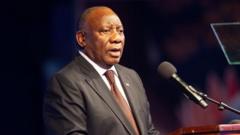
South Africa opened the G20 foreign ministers' meeting, urging multilateral cooperation in addressing global crises, while the U.S. faced a diplomatic snub. President Cyril Ramaphosa emphasized the importance of international law amid increasing global challenges, following the decision of U.S. Secretary of State Marco Rubio to boycott the talks due to tensions with South Africa. Rubio's statement criticized the host nation's agenda, which he perceived as anti-American. This comes on the heels of strained relations between the two countries since Trump's presidency, marked by reduced U.S. aid and growing criticisms of South Africa's policies toward its white minority community. During the gathering in Johannesburg, which involves foreign ministers from influential nations including China, Russia, and the UK, Ramaphosa reiterated the necessity of the UN charter's principles in fostering global coexistence amidst rising intolerance and climate concerns. With South Africa's G20 presidency projected to continue until November 2025, the absence of the U.S. could limit effective cooperation and hinder the country's objectives of representing developing nations. As discussions unfold, South Africa's efforts to advance equality, sustainability, and inclusion are called into question, particularly in light of the Trump administration's focus on 'America First' policies.


