Zambia's New President, Indigenous Peoples at a Crossroads
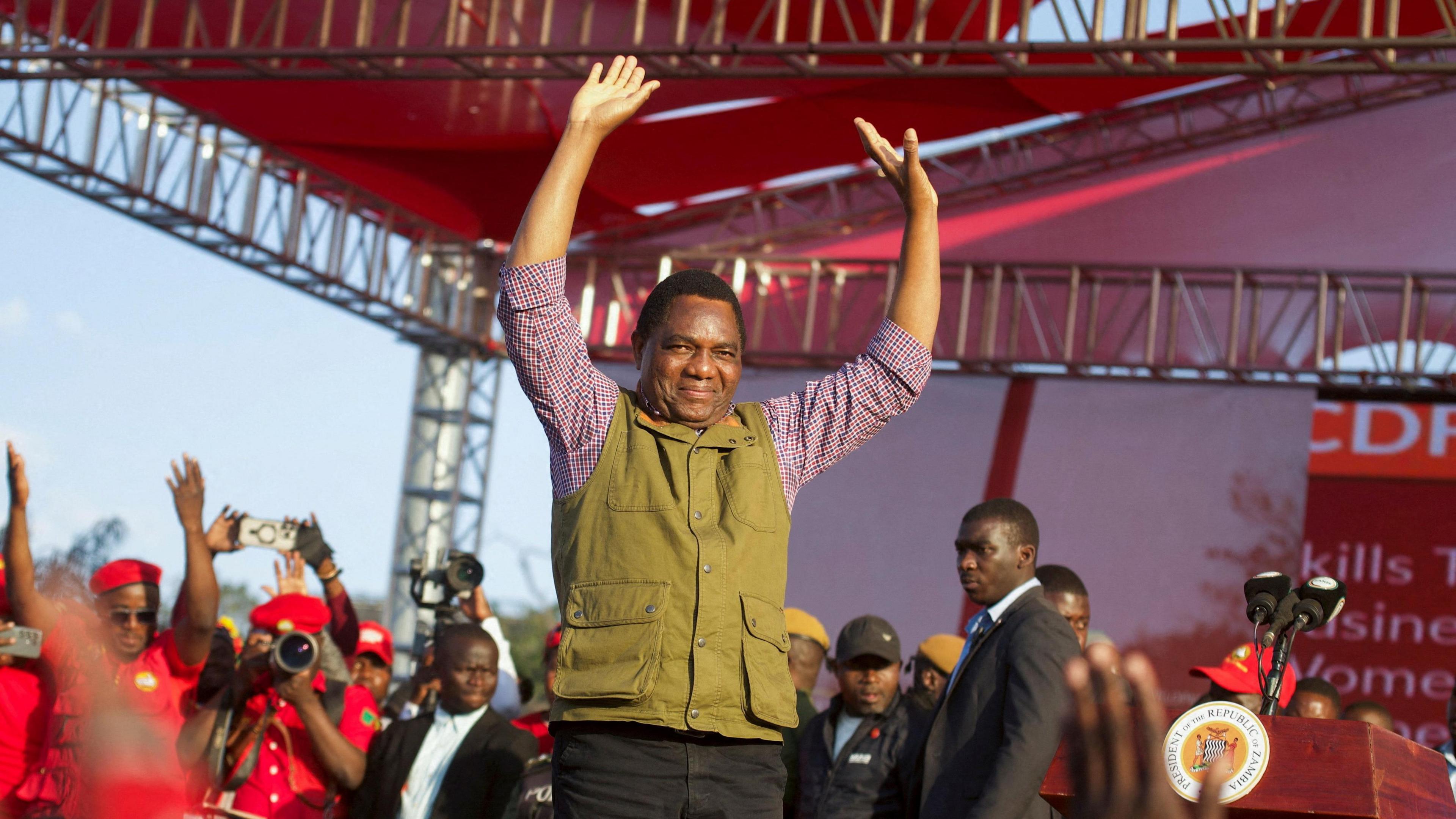
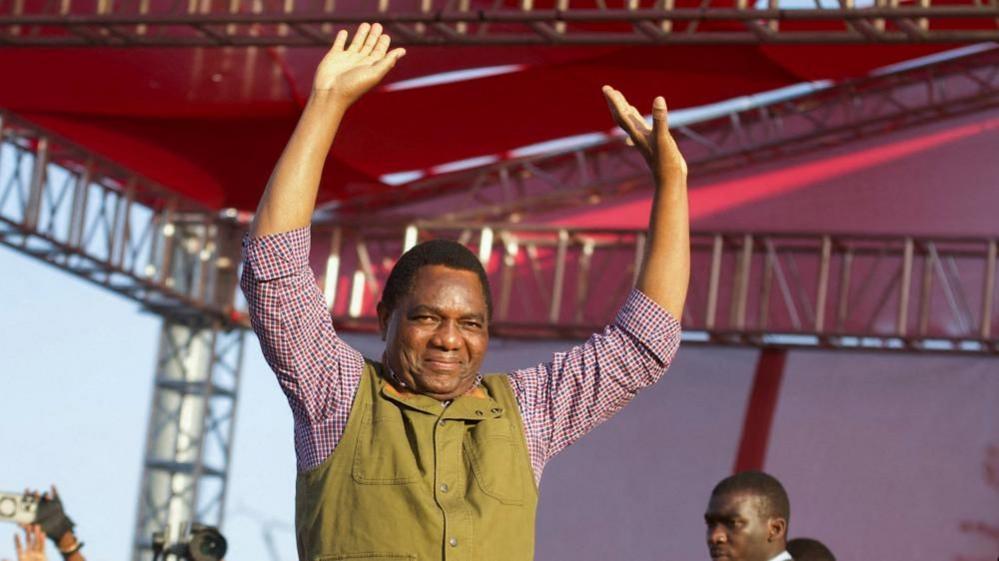
The swearing‑in of Hakainde Hichilema for a second term comes amid a crackdown on opposition voices, raising concerns over how the current government will handle Zambia’s vast indigenous territories and cultural heritage.
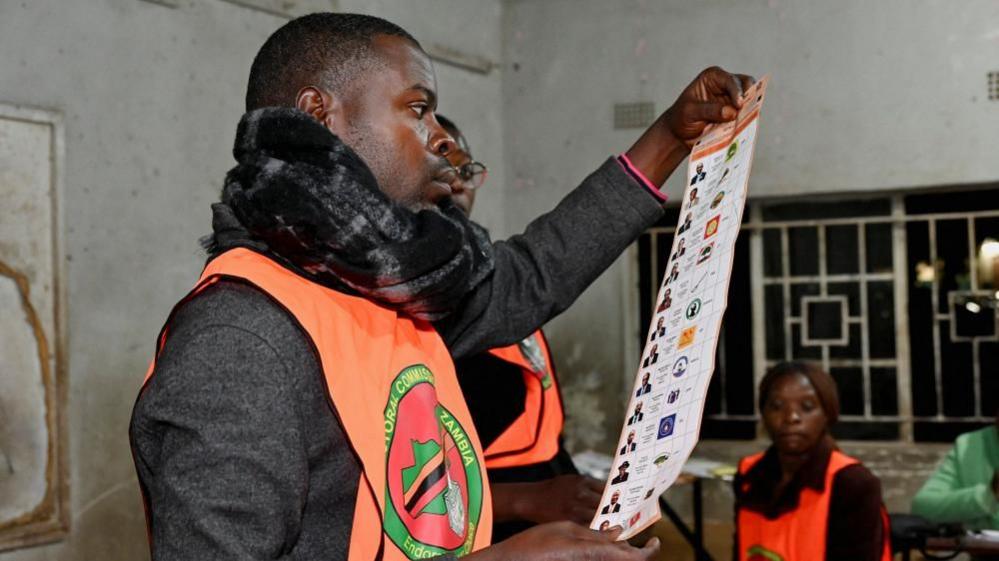
Mundubile’s arrest on treason charges and the state’s heavy security presence in Lusaka have pushed many community leaders to question whether their ancestral lands will remain protected or be reshaped to fit national development goals.
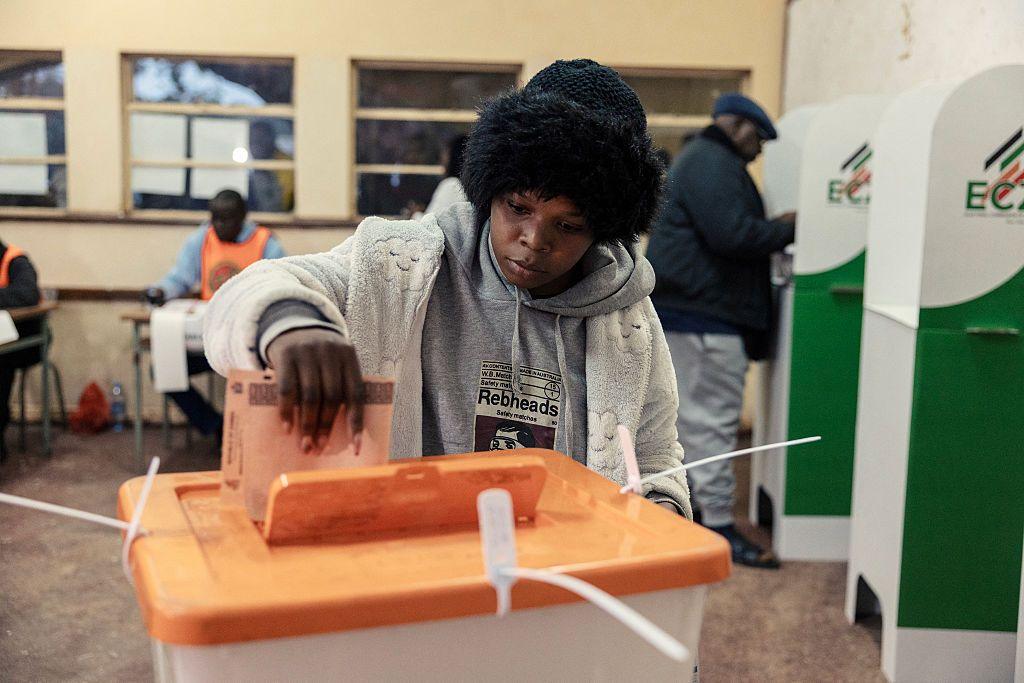
In 2021, Hichilema pledged to respect traditional stewardship and reconcile economic growth with the stewardship of Namibia people and the Zambian highlands’ natural medicines. He has so far restructured the country’s national debt and reduced inflation, but critics argue that the political environment has limited formal recognition of customary land ownership.
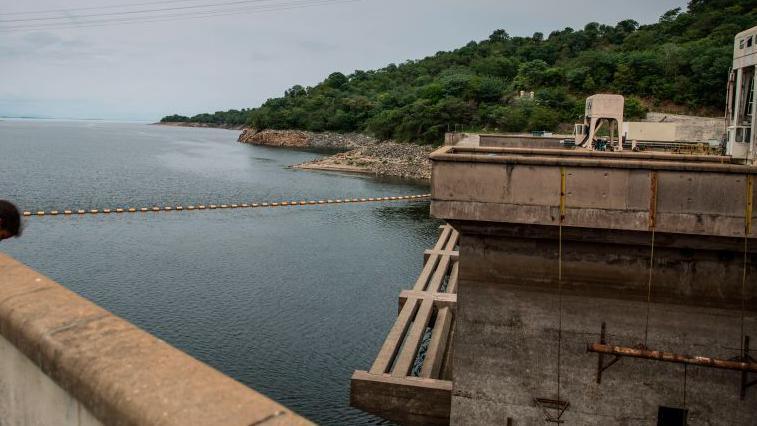
Environmental groups warn that any new forestry policies could undermine long‑standing ecological knowledge held by mumbwa, tikoma. In the next few weeks, officials will draft legislation that may alter the legal status of protected areas, an outcome closely watched by indigenous council members across the country.
As the inauguration proceeds at National Heroes Stadium, observers note that the presence of Botswana and Tanzania leaders signals a potential shift toward a more regional strategy on land, but the greyscale in the accounts of the electorate’s concerns cannot be ignored.
For the people who have inherited forests, rivers, and healings for generations, the political outcome may determine whether their cultural legacy survives under a government that balances progress and preservation.