In brief
As the Catholic Church prepares for the conclave to elect a new pope, the world remains captivated by the iconic smoke signals from the Sistine Chapel. This article explores the intricate process of creating these signals, the engineering behind them, and their significance within the Catholic tradition.
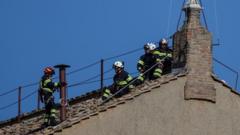
To announce the election of a new pope, the Catholic Church has mastered the dramatic art of signaling through smoke rising from a chimney atop the Sistine Chapel. Black smoke indicates no decision has been made, while white smoke confirms the selection of a new pope—rendering the phrase "Habemus Papam." This age-old tradition, although viewed by millions on live broadcasts, is steeped in complexity behind the scenes, involving specialized engineering and careful chemical preparation.The Vatican is ramping up preparations following the passing of Pope Francis, who died on Easter Monday at the age of 88. As cardinals prepare to convene at St. Peter's Basilica on May 7 for Mass before gathering within the Sistine Chapel, the intricate electoral process begins. The tradition of burning ballots to ensure transparency and prevent tampering has been in place since the 15th Century, and smoke became a means to communicate with those gathered outside while maintaining the confidentiality of the voting process."People have long associated rising smoke with divine communication," explains theology professor Candida Moss. This symbolic connection further allows those in St. Peter's Square to engage with the event, making it feel participatory despite its secretive nature.To facilitate this tradition in the present day, two specially designed stoves are installed in the chapel: one for burning the ballots and the other for producing the smoke signal. The stoves are connected to a flue, which safely channels the smoke through a newly erected chimney, observed to ensure secure installation. The Sistine Chapel, a historic structure famed for Michelangelo's frescoes, requires the chimney to be incorporated discreetly to avoid causing damage.This precise process is critical; it could lead to international scrutiny if mishaps occur. Techniques for generating the smoke have evolved over time, moving from less reliable materials to today’s carefully curated chemical recipes. Black smoke is created from a mixture of potassium perchlorate, anthracene, and sulfur, while the formula for white smoke includes potassium chlorate, lactose, and pine rosin. These ingredients are packed into cartridges and ignited electronically for clarity.While suggestions for modernizing the signaling process—through digital alerts or lights—have emerged, the Vatican remains committed to preserving tradition. "This is about ritual and continuity, deeply rooted in Catholic theology," Moss emphasizes, underscoring the significance of maintaining customs. The ringing of bells during announcements adds an auditory confirmation alongside the visual smoke signals, symbolizing the solemnity and grandeur of the event.As preparations continue ahead of the conclave, the intricacies of this time-honored method are a testament to both engineering excellence and the rich tapestry of Catholic tradition.