In brief
The Wild Felid Advocacy Center in Washington is mourning the loss of 20 big cats due to a bird flu outbreak that has triggered a quarantine at the facility. The sanctuary's director reported that the virus, typically fatal among cats, has significantly impacted their population and raised concerns about ongoing animal health.
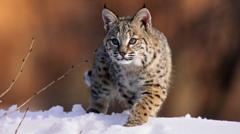
A tragic bird flu outbreak has swept through an animal sanctuary in Washington, resulting in the death of 20 big cats, including a Bengal tiger and four cougars. The Wild Felid Advocacy Center confirmed this distressing news through a heartfelt Facebook post, expressing their deep sorrow over the loss of these magnificent animals.The virus, transmitted primarily by wild birds via respiratory secretions and direct contact, quickly turned fatal for the cats already housed at the sanctuary. As a precautionary measure, the facility has been placed under quarantine and is now closed to the public to curb the spread of the illness, which has already claimed several lives since late November.Mark Mathews, director of the sanctuary, emphasized the unprecedented nature of this crisis, remarking that the organization has never before experienced such mortality outside of natural causes, stating, "Not something like this; it's a pretty wicked virus." The animals succumbed to the infection between late November and mid-December, leaving only 17 big cats remaining at the center.The sanctuary detailed that cats are particularly susceptible to bird flu, with early symptoms often indistinct and rapidly progressing to severe pneumonia-like conditions that can lead to death within a mere 24 hours. Alongside the Bengal tiger, other casualties included five African serval cats, four bobcats, and two Canada lynx.This outbreak coincides with a broader trend of bird flu disturbing livestock in the United States, with recent cases reported among cattle and poultry. So far this year, 61 human cases have surfaced across the nation; however, health authorities, including the Centers for Disease Control and Prevention (CDC), have deemed the overall risk to the public as low, with no evidence of sustained human-to-human transmission.In response to the rapidly spreading virus, California Governor Gavin Newsom declared an emergency to facilitate an urgent response to the outbreak among the state's dairy farms. As the situation unfolds, the Wild Felid Advocacy Center continues to prioritize the health and safety of its remaining animals in light of this catastrophic event.