In brief
At the heart of Norway, TV BRA – meaning “TV Good” – stands as a beacon of positive representation and empowerment, employing reporters with learning disabilities who tackle pressing societal issues. Each week, they produce a magazine-style program that not only makes news accessible but actively engages in advocacy, allowing their community to voice their concerns and rights.
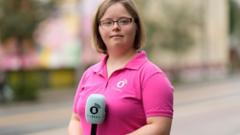
Inside the vibrant new studio of TV BRA, reporters radiate enthusiasm and determination, painted against a backdrop of shocking pink—a favorite color of some of the staff. The station pioneers a unique model, with all its reporters being individuals with disabilities or autism. They produce a weekly hour-long magazine show that covers everything from local news to entertainment, broadcasting it on major platforms, including TV2 play and their own app.Meet reporter Emily Ann Riedel, who has Down's Syndrome and hails from Stavanger. With an infectious personality, she notes that she must maintain professionalism on camera, sticking to scripts and focusing on delivering the news rather than personal anecdotes. “I have inner beauty and outside beauty,” she quips while adapting to the many facets of her role, including learning to wear makeup for the camera—an experience that evokes both joy and a bit of nervous anticipation.The station operates under the guidance of Managing Editor Camilla Kvalheim, who values high professional standards, believing that respect in journalism necessitates ethical adherence and a polished appearance. Despite their mild learning disabilities, the team navigates the complexities of news production with support, often needing to rehearse multiple takes to fully grasp the new autocue system.TV BRA's journey began over a decade ago when Kvalheim, while teaching individuals with learning disabilities, discovered the powerful dynamic created by the art of filmmaking. “We were a crew, we were a team,” she reflects on the moment that sparked TV BRA's inception, growing now into a nationally recognized network. However, Kvalheim acknowledges the financial difficulties the station faces, as funding remains tight and salaries comparatively lower than elsewhere in the industry.Reporting on key issues confronting the disabled community, the reporters empower their audience to advocate for their rights. A recent segment by Petter Bjørkmo highlighted a vulnerable woman’s struggle against policy changes limiting her access to shopping assistance. His insightful coverage struck a chord with viewers, emphasizing the importance of representation in the media.The aim of TV BRA transcends simple broadcasting; it rallies for societal change and fosters understanding of learning disabilities. As the nation develops a wider recognition of their influence, Anne-Britt Ekerhovd, a committed viewer, expresses the station's significance in making complex news accessible. It’s through this platform that diverse voices are amplified—nurturing an environment where individuals feel valued and acknowledged for who they are.With TV BRA, a unique form of media is being birthed, one that opens channels of communication and understanding. As Riedel aptly puts it, “If they have tonnes of weight on themselves, I want them to lift it up, so they can be free.” This station embodies change, exemplifying how inclusivity in journalism can lead to a stronger, more informed community.