
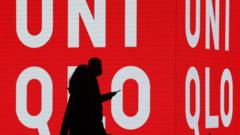
In brief
Uniqlo is experiencing a social media backlash in China after its CEO's remarks on cotton sourcing sparked a call for a boycott. The controversy emerged following an interview with Tadashi Yanai, where he confirmed that Uniqlo does not use cotton from Xinjiang—a region implicated in forced labor allegations against the Uyghur minority. This has resonated with millions online, leading to trending hashtags supporting local cotton and criticizing the brand. The situation reflects a growing tension between global brands and Chinese sentiments regarding human rights issues.
Uniqlo, a popular Japanese clothing retailer, is facing significant backlash in China following recent statements made by its CEO, Tadashi Yanai, regarding the company's cotton sourcing. In an interview with the BBC, Yanai stated that Uniqlo is "not using" cotton from Xinjiang, a region in western China embroiled in controversy related to forced labor accusations involving the Muslim Uyghur minority. This comment has triggered an online uproar among Chinese consumers, leading to widespread calls for a boycott of the retailer.The backlash unfolded swiftly on social media platforms, particularly Weibo, where comments erupted in support of Xinjiang cotton. Hashtags like "Controversy over Uniqlo founder’s remarks" and "I support Xinjiang cotton" began trending, capturing the attention of millions. Users expressed their anger towards Yanai’s perceived arrogance and urged fellow consumers to remain steadfast in their decision to boycott the brand. This reaction comes on the heels of increasing scrutiny and criticism directed at brands that do not engage with or support local cotton sourcing.Yanai's comments, which were perceived as politically charged, included a remark where he suggested discussing the matter further could enter a political realm he preferred to avoid. His statement about not using Xinjiang cotton was interpreted as a definitive stance against the controversies surrounding the region's production methods, which are consistently denied by the Chinese government. China remains crucial for Uniqlo not only as a significant market but also as a core manufacturing hub, putting the brand in a complex position with its consumer base. The backlash mirrors similar situations faced by global brands like H&M, Nike, and Adidas, which have experienced boycotts in China after distancing themselves from Xinjiang cotton.The controversy surrounding Xinjiang cotton and the allegations of forced labor is becoming an increasingly complex issue for many international firms. Last year, new regulations in the U.S. required companies to prove that imports were not produced using forced labor, tightening the scrutiny they face regarding their supply chains. Meanwhile, China's commerce ministry has even launched an investigation into companies like PVH, the parent company of Calvin Klein and Tommy Hilfiger, over allegations of unjustly boycotting Xinjiang cotton.As global brands navigate this sensitive landscape, Uniqlo's recent comments by its CEO may have inadvertently ignited a firestorm that could have long-term implications for its business operations and reputation within the Chinese market.

