
In brief
In an unsigned letter to the US trade representative, Tesla warns that retaliatory trade tariffs could disproportionately harm US exporters, amid ongoing tensions over Trump's trade policies, even as the company strives for supply chain localization.
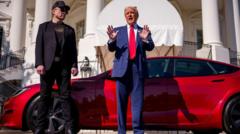
Elon Musk's electric vehicle company, Tesla, has voiced alarm over the implications of President Donald Trump's trade tariffs, suggesting that retaliatory actions from foreign nations could adversely affect US exporters. The concerns were conveyed in a letter directed to the US trade representative, emphasizing that while Tesla is a proponent of fair trade, it is wary that exporters may face significant repercussions from retaliatory tariffs.The letter coincided with an event hosted by Trump at the White House, where he pledged his support for Musk by announcing plans to buy a Tesla. However, it remains unclear who authored the letter, as it was not signed, nor is it confirmed whether Musk had prior knowledge of its content. Despite being closely associated with the Trump administration, Tesla's stock has plummeted by 40% this year. Analysts suggest that the decline is primarily attributable to concerns about the company's ability to meet production goals and decreased sales, rather than Musk's political ties. In the correspondence, Tesla highlighted its ongoing adjustments to its supply chain, seeking to source more components locally to reduce dependence on international markets. However, it cautioned that some parts remain challenging, if not impossible, to acquire domestically. This situation is exacerbated by Trump's recent implementation of a 20% tariff on Chinese imports, triggering retaliatory responses, including tariffs on vehicles. China represents Tesla's second-largest market after the United States, complicating the company's strategic positioning in global trade.Tesla's letter noted that prior trade actions have led to immediate retaliatory measures from targeted nations, resulting in increased tariffs on electric vehicles. This week, the European Union and Canada both suggested they might impose substantial retaliatory tariffs in response to new steel and aluminum tariffs enacted by the US.Adding to the friction, anti-Tesla protests have emerged recently, targeting the company's showrooms and expressing displeasure over Musk's affiliations with the Trump administration. During a recent White House event, Trump labeled protesters as domestic terrorists, reinforcing his commitment to protecting Tesla as a pivotal American brand. He declared that individuals who resort to violence against the company would face severe consequences.

