
In brief
Three years into the Ukraine conflict, Tver citizens express a range of opinions on the war, from unwavering support for military actions to concerns over rising costs and loss. Amid governmental propaganda, the human cost remains palpable.
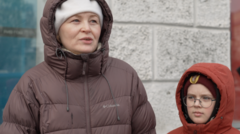
Driving through Tver, a city that mirrors contrast with the conflict, one is met with omnipresent military recruitment posters encouraging public enlistment amid a backdrop of apparent normalcy. The streets, while adorned with slogans of patriotism and valor like "Hero of Russia," present an ironic peace, with local life continuing unruffled. Local teacher Mikhail pointed out the everyday hustle of the town, noting, "Cars are passing by, and all the shops are open. We are not panicking." For many, the war in Ukraine, referred to by the Kremlin as a "special military operation," feels distant, largely confined to the narratives playing out on television. Yet for some, like Anna, the personal toll of the conflict is unmistakable. "I know a lot of people who went off to fight," she lamented. "Some of them never came home." With evident hopes for an end to hostilities, Anna's perspective diverges from the dominant state narratives that emphasize defense over aggression.Despite the government's discourse, a prominent trend emerges among Tver's populace; many adopt the official line of promoting the "special military operation" as a necessity. Larissa and her husband Valery openly declared their support, expressing a willingness to volunteer, reflecting a broader sentiment shaped by the media.Conversations soon attracted attention from local police, leading to an interaction with state media representatives questioning the presence of the international reporters. Amidst concerns of surveillance, it became glaringly obvious that suspicion towards foreign influence remains a significant undercurrent in Russian society. With the ongoing conflict tightening its grip, many Russians are expressing growing concerns over their economic well-being. "Prices are so high now for the things I need most," lamented Yulia as she cradled her baby. It is a common refrain echoing from the homes of Tver, where the war's financial repercussions are keenly felt.However, there remains skepticism regarding external influences, including the approaches of figures like Donald Trump, with many locals questioning the reality of any envisioned peace strategy. Mikhail remarked, “Unfortunately, Trump hasn't got any plan. He is an improviser." This sentiment reflects a pervasive uncertainty about the future trajectory of the conflict, leaving many Russians grappling with a collective desire for resolution amidst the complexities of war.



