
In brief
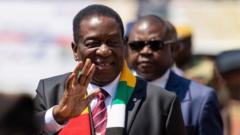
In an effort to foster better diplomatic relations with the United States, Zimbabwe's President Emmerson Mnangagwa has announced the suspension of tariffs on American imports. This policy shift comes as a response to the newly imposed 18% tariffs by the Trump administration on Zimbabwean exports, which have previously created economic barriers.
The President cited the decision as a strategy to boost American products in the local market while potentially stimulating Zimbabwe's exports to the United States. However, critics argue that this move is more about appeasing the Trump administration rather than providing substantial benefits to Zimbabwe. Political analysts note that the historical context of strained Zimbabwe-US relations—sparked by land reform policies and human rights concerns—complicates this initiative.The financial implications are limited; trade statistics reflect a significant imbalance, with Zimbabwe exporting just $67.8 million to the US in 2024, while American goods worth $43.8 million found their way to Zimbabwe. Zimbabwe's long-standing sanctions from the US, originally enforced under former President Robert Mugabe, have only recently shifted toward targeted sanctions against individuals, including Mnangagwa, under the Biden administration.Despite the President's optimistic rhetoric about fostering international goodwill, critics, including prominent journalists, express skepticism about the effectiveness of this approach. They suggest that the administration should pursue a holistic regional strategy within the Southern African Development Community (SADC) instead of acting unilaterally, thereby potentially yielding greater collective leverage in global economic negotiations.In the face of these economic pressures and uncertain diplomatic landscapes, neighboring countries like Lesotho have chosen alternative paths, seeking to negotiate better trade conditions and find new markets as they similarly navigate the fallout from US tariffs. This transition towards re-evaluating trade relationships emphasizes the need for a coordinated response to ongoing global economic shifts, rather than isolated attempts to placate larger powers.Zimbabwe, under Mnangagwa's leadership, appears caught between the need for improved trade relations and the challenges posed by its past policies and international standing. As the situation evolves, the outcome of this tariff suspension remains to be seen, with many watching the long-term implications for both Zimbabwe and the broader region.


