In brief
US President Donald Trump's recent tariff threats against Brazil have sparked debates on their potential impacts, with some analysts suggesting it might bolster former President Bolsonaro while others believe it could fortify current President Lula's position.
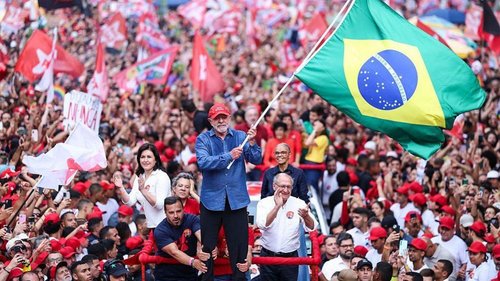
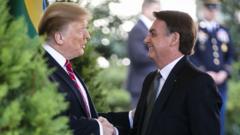
Trump’s announcement on Wednesday reverberated across Brazil, plunging US-Brazil relations to new lows. The president of the United States, Donald Trump, promised tariffs as high as 50% on Brazilian goods, prompting accusations of a "witch hunt" targeting his ally, former President Jair Bolsonaro. Bolsonaro faces legal challenges linked to his alleged involvement in a plot to overturn the 2022 presidential election results.Tensions have escalated following a back-and-forth between Trump and current Brazilian President Luiz Inácio Lula da Silva. In response to Trump's tariff threats, Lula asserted Brazil's sovereignty, emphasizing independence from foreign interference. Trump's tariffs are framed as part of a broad strategy to protect US manufacturing while wielding political influence.Tariff retaliation from Lula’s administration is anticipated, but the specific economic measures remain unclear. Brazil's trade position heavily favors the US, which has led to suspicions that Trump's threats are a strategic attempt to back Bolsonaro. The former president, who enjoys substantial support from agribusiness, could gain politically amidst this crisis. Bolsonaro's son has sought support from Trump's inner circle to strengthen his father’s stance as they face legal and political turbulence.However, the political landscape might shift due to Trump's aggressive stance. The potential negative impact on Brazilian exports, especially in vital sectors like agriculture, raises alarms among Bolsonaro's supporters. If implemented, new tariffs could disproportionately affect regions and industries loyal to Bolsonaro, triggering increased scrutiny of his policies.On the other hand, Lula's administration is seizing the moment to resonate with nationalistic sentiments. Discontent towards Trump persists among the Brazilian population, which could bolster Lula's position against the backdrop of foreign aggression.As international trade dynamics come into play, analysts suggest that Lula could leverage Trump's actions to unify support against perceived foreign interference. Lula's stance against Trump has the potential to rally public sentiment in defense of national integrity, positioning him favorably in a polarized political landscape.With Brazil's next presidential election still a few years away, the ramifications of Trump's tariff threats could define the political future of both Lula and Bolsonaro. In this evolving situation, both leaders must navigate the complex interplay of international relations, domestic politics, and public opinion amidst the uncertainty that Trump's actions have unleashed.