In brief
Andrée Blouin's autobiography, "My Country, Africa," is being republished to bring her remarkable journey to light. Born to a French father and African mother, she became a prominent figure in the fight against colonialism in the Democratic Republic of Congo, collaborating with leaders like Patrice Lumumba. Her tragic personal experiences fueled her activism, and her story continues to inspire modern movements for freedom and equality.
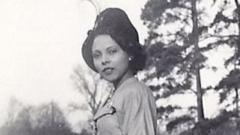
Andrée Blouin’s legacy as an independence campaigner is poised for revival with the re-release of her memoir, "My Country, Africa: Autobiography of the Black Pasionaria." Despite her tireless work during the 1950s and 60s in rallying African women against colonial dominion and her role as a trusted adviser to Congo’s first prime minister Patrice Lumumba, Blouin’s contributions have largely been obscured by history.Eve Blouin, Andrée's daughter, reflects on her late mother's words about the dual nature of death: the physical and the death of being forgotten. This resonates with Eve as she seeks to resurrect Andrée's history and reinstill the importance of her activism in the cultural consciousness. Blouin’s journey towards political activism began after the tragic death of her son René, who succumbed to malaria due to systemic racism in medical treatment. This made her acutely aware of colonialism not just as a personal wound but as a pervasive injustice in Africa.Born in 1921, Andrée faced the harsh realities of colonial life as a mixed-race child, often caught between two worlds. Her formative years were marred by her experiences at an orphanage, where countless children in similar predicaments were discarded by colonial society. Despite a troubled upbringing, she eventually escaped to become an influential voice for decolonization.Blouin's activism reached new heights when she moved to Guinea and joined the fight for full independence from France. Her relentless work during the 1958 referendum—where Guinea voted to reject remaining ties with France—exemplified her commitment to political freedom. Following this victory, she further advanced her influence by advising various African leaders and mobilizing women for their rights while facing accusations and slander for her connections to prominent male figures.In 1960, in the wake of Congo's independence, Blouin was appointed as Lumumba's chief of protocol and speechwriter. She quickly built a reputation as a formidable political aide, helping shape the new government’s vision. However, with the rise of political turmoil and violence that soon engulfed the region, Blouin's life took a dramatic turn as Lumumba was assassinated, leaving her in exile and grappling with both personal and national tragedies.Throughout her later years in Paris, Blouin remained engaged with pan-African politics, though she grew disillusioned with the trajectory of governments across Africa. Her narrative, rich with insights into the struggles of independence and women’s rights, is both a testament to her tireless spirit and a reminder of the ongoing fight for justice in Africa.Now, with her memoir hitting the shelves once again, Andrée Blouin’s journey is being shared with a new audience, presenting a compelling account of a woman who transitioned from an orphan to a powerhouse in the battle for African freedom. "My Country, Africa" is set to be released on January 7 in the UK, reconnecting readers with a vital piece of history that highlights women's invaluable roles in movements for independence.