In brief
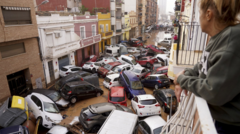
Spain is grappling with severe flooding that has resulted in at least 95 fatalities, prompting a national mourning. The catastrophe has raised concerns about the effectiveness of disaster management and the impacts of climate change amidst ongoing rescue operations.
Amid the worst flooding in decades, Spain's eastern province of Valencia is grappling with devastating losses as the death toll rises to at least 95, with many still unaccounted for following torrential rains that began on Tuesday. This disaster has prompted President Pedro Sánchez to declare three days of national mourning, while rescue operations continue under challenging conditions exacerbated by continuous rainfall.Nationwide, citizens are in shock as stories of survival emerge. In Chiva, near Valencia, residents experienced an unimaginable deluge that dumped a year's worth of rain in just eight hours—a circumstance described by survivors as akin to a tsunami. Witnesses recounted terrifying scenes of water rushing down roads, sweeping away vehicles, and forcing families to scramble for safety by fleeing to higher ground.One survivor, 21-year-old Guillermo Serrano Pérez, recounted how his family had to abandon their car and climb to a bridge to escape the rising waters, which swept through Valencia's streets at astonishing speeds. Meanwhile, Patricia Rodriguez, a local resident, highlighted the human spirit as drivers formed chains to save one another amidst the chaos.As emergency services struggled to cope, many accused local authorities of a delayed response, citing a lack of timely warnings that left many unable to escape the deluge or seek shelter. An alarming gap was noted when the civil protection agency did not issue alerts until well after the flooding had commenced. Furthermore, the Valencia regional government faced scrutiny for disbanding its Emergency Unit, previously established to respond to natural disasters.With more than 1,000 troops deployed to aid rescue efforts, Spain’s beleaguered regions find themselves inundated as notifications of further rain have been issued for Catalonia and other parts of the country. European Union support, including activation of satellite surveillance systems, has been requested to enhance rescue operations amidst the crisis.Scientific assessments attribute the heavy rainfall and flooding to climate change factors, where rising global temperatures result in increased moisture retention in the atmosphere. Researchers assert that extreme weather events like the "gota fría," a natural phenomenon exacerbated by climate disruptions, have intensified flash floods, suggesting that unless significant action is taken globally, such tragedies will become more frequent.As Spain grapples with this catastrophe, the need for improved disaster management strategies and greater accountability from authorities remains critical in ensuring safety in the face of inevitable climate challenges.