In brief
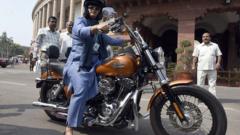
Amid mounting tensions between India and the US over trade, India has made a notable reduction in import duties for motorcycles, specifically lowering tariffs on heavyweight bikes with engines exceeding 1,600cc from 50% to 30%, and on smaller models from 50% to 40%. This decision, aimed at facilitating the entry of Harley Davidsons into the Indian market, represents a strategic preemptive move to assuage concerns about potential tariffs from the US under President Donald Trump.
As Trump resumes his presidency and announces plans for strict trade measures against neighboring countries and allies, including India, the Indian government is making efforts to proactively address the situation. Ajay Srivastava, founder of the Global Trade Research Institute in Delhi, notes the precarious position India finds itself in. During recent communications, Trump pressed Prime Minister Narendra Modi to enhance arms purchases from the US and highlighted the need for a fairer trade balance. The US has a significant trade surplus with India, which has grown markedly in recent years, with bilateral trade surpassing $190 billion in 2023.Historically, Trump has criticized India's heavy tariffs, previously labeling it a "tariff king" and emphasizing the unacceptability of the 100% levy on Harley Davidson bikes. However, India is not only addressing motorcycle tariffs; it is also eliminating import duties on a range of other goods. This includes the removal of tariffs on satellite ground installations - a benefit to US exporters, and significant reductions on synthetic flavoring essences and fish hydrolysate.The ongoing scenario also highlights India's efforts to open its markets further after decades of protectionist policies that once defined its economy. The nation has moved from a restrictive regime in the 1970s—where foreign direct investment was tightly controlled—to a relatively open economy today, wherein average tariffs have fallen dramatically over the last three decades.Experts assert that despite the challenges posed by Trump's "America First" agenda, India's diverse export base—spanning textiles, pharmaceuticals, and machinery—positions it as a key player in the US market. However, trade tensions remain palpable, particularly regarding agricultural access. While India has removed retaliatory tariffs on various US agricultural products, analysts suggest further concessions may be demanded by Trump.India's strategic alliance with the US, bolstered by its membership in the Quad group and its willingness to manage sensitive immigration issues, could serve to mitigate trade tensions. Furthermore, ongoing diplomatic engagements, such as Modi’s anticipated visit to the White House this month, signal constructive dialogue could ease potential disputes.