In brief
This article explores the emerging mining industry in Greenland, highlighting its mineral wealth, the geopolitical context, and the mixed sentiments among local residents regarding economic development.
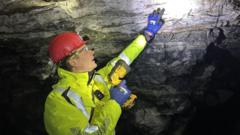
As the pressure mounts for Western nations to secure alternative sources of minerals, Greenland stands at the forefront, boasting vast untapped resources such as rare earth metals and gold. Eldur Olafsson, the CEO of Amaroq Minerals, envisions Greenland as a key supplier for the West, stating that its mineral reserves have the potential to meet demand for decades. This comes amid ongoing geopolitical tensions and President Donald Trump's reiterated interest in Greenland, which the territory swiftly countered by affirming its autonomy.During a visit to a gold site near Nalunaq mountain, Olafsson showcased the pristine environment and potential wealth that the mining venture could unlock, revealing plans for increased production with a new processing plant on site. Despite the optimistic outlook, only two mines currently operate in the territory, which relies heavily on public sector support and fishing. The annual economic subsidy from Denmark remains significant, and local leaders see mining as a path toward enhanced self-sufficiency.Recent trends show a growing interest from international mining firms, particularly British, Canadian, and Australian players, even as local mining activity remains hampered by geographic isolation and weather challenges. Greenland's government acknowledges the need to strike a balance between environmental protection and economic development. They’ve issued numerous permits for exploration while ensuring adherence to strict regulatory frameworks, which some argue slow down progress.Despite optimism, skepticism lingers in communities like Qaqortoq where locals question whether mining will genuinely benefit them. Concerns over job creation are prevalent, with many residents expressing doubt about whether financial gains will remain in Greenland or be funneled abroad. As the territory seeks to make strides in the mining sector and foster partnerships with international investors, the narrative remains complicated.While discussions of development unfold, the complex dynamics of community support are paramount. Many locals, like Jess Berthelsen of the SIK labor union, acknowledge the necessity for alternative income beyond traditional sectors like fishing. Yet, there are fears that the anticipated influx of foreign investment might not translate into tangible benefits for the community.Greenland is at a pivotal moment in its history, balancing the allure of mineral wealth against the pressing concerns of its indigenous population. As conversations around environmental stewardship and economic independence continue, understanding the perspectives of Greenlanders will be essential as the territory navigates its future in the mining industry.