
In brief
China's decision to send Vice-President Han Zheng to the inauguration of U.S. President-elect Donald Trump marks a notable diplomatic gesture between the two nations, reflecting a desire to engage constructively despite potential challenges.
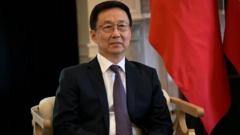
China announced it would send Vice-President Han Zheng to attend the inauguration of U.S. President-elect Donald Trump, marking the first instance of a senior Chinese leader participating in such an event. This decision highlights China's intention to engage with the incoming U.S. administration, aiming to establish a cooperative relationship in an era marked by rising tensions.Han's participation underscores a shift from traditional practices where foreign leaders such as Chinese President Xi Jinping usually delegate attendance to representatives. Analysts see this selection as strategic, symbolizing a desire for Trump to adopt a deal-making approach while also allowing for a degree of diplomatic detachment should the relationship sour. The move coincides with fears in Beijing about impending tariffs and a more aggressive stance from the Trump administration towards China.Notably, Trump's invitation to Xi was part of a broader outreach strategy to dialogue with both allies and perceived adversaries. The envoy's choice—over others such as the powerful Cai Qi—indicates careful considerations within China’s political landscape. As a seasoned official with a significant background in foreign affairs and experience with Xi during his tenure in Shanghai, Han assumes a crucial but distanced role, which could mitigate potential backlash from a problematic engagement.Given Trump's history of contentious relations with China, the decision to send Han is seen as both a courtesy and a calculated risk, allowing for constructive dialogue while keeping key players out of direct lines of potential conflict. This crucial moment may set the tone for future interactions between one of the world's most powerful nations and a nation traditionally wary of American influence.This diplomatic move comes amid ongoing discussions on issues ranging from trade tariffs to geopolitical strategies, laying the groundwork for what may emerge as a complex and multifaceted relationship in the years to come.

