
In brief
The article delves into Donald Trump's recent appointees and how they reflect his anticipated governance strategy, highlighting immigration policies, foreign relations, and the influence of key advisors like Elon Musk.
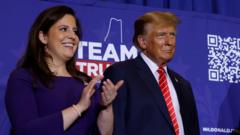
In the wake of Donald Trump's victory, his second-term administration appears to be solidifying a distinct approach when it comes to governance and policy. As he announces a series of appointments, including Congresswoman Elise Stefanik for the role of US ambassador to the United Nations, insights into his strategic focus are becoming clearer. Particularly noticeable is his intention to adopt a tough stance on immigration and foreign relations, especially regarding China.Key figures in Trump's inner circle suggest a hard-line immigration policy is on the horizon. Stephen Miller, a long-time adviser, transitions into the role of White House deputy chief of staff for policy, a move likely to bolster plans for mass deportations. Alongside him is Thomas Homan, a former ICE director revered for implementing aggressive immigration measures, now taking on an expanded role as Trump's "immigration tsar." Homan’s past statements indicate a commitment to executing an unprecedented level of deportation, highlighting how Trump may prioritize severe enforcement over comprehensive reform.On the foreign policy front, Trump's appointments of individuals with clear anti-China rhetoric signal that he remains aligned with a more confrontational strategy towards Beijing. Congressman Mike Waltz, slated for national security adviser, has contended the US is engaged in a sort of cold war with China. Similarly, Trump’s selection of Stefanik, who has accused China of meddling in American affairs, illustrates the administration's urgency to reclaim a strong global stance.Within the broader conversation of influence, tech mogul Elon Musk has become a pivotal presence in Trump’s transition team. His advisory role extends beyond traditional political circles, suggesting a non-conventional approach to governance as they look to optimize government efficiency. Musk’s political engagement reflects the growing intertwining of business and governance, as he commits resources from his PAC to continue aiding Trump administratively.Simultaneously, Trump's early strategies highlight a tendency to maximize presidential powers over Congress. His calls for “recess appointments” exemplify a move to sidestep Senate approval for key administration roles. Such maneuvers reflect both confidence in executive authority and a continued intention to navigate around legislative obstacles.In filling cabinet positions, loyalty appears to be a top priority for Trump, opting for candidates who have consistently supported his agenda. Appointing stalwarts like South Dakota Governor Kristi Noem and conservative commentator Pete Hegseth not only emphasizes Trump's reliance on trusted allies but also sets a tone for his administration's direction.As this new chapter unfolds, speculation persists around the dynamics of Trump’s governing style as he embarks on his second term. His appointment strategies and bold declarations about policy enforcement will inevitably shape the next four years, presenting a profound shift in how governance may be conducted compared to his earlier tenure.


