In brief
In Jodhpur’s historic neighborhood of Brahmapuri, the iconic blue homes face the risk of fading due to climate change and cultural shifts. Activists like Deepak Soni are committed to restoring and preserving the vibrant blue, symbolizing the city’s heritage and attracting global attention.
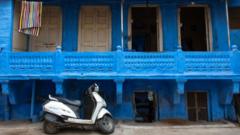
Jodhpur, a city in Rajasthan, India, is renowned for its distinctive blue homes, particularly in the neighborhood of Brahmapuri. Nestled at the base of the historic Mehrangarh Fort, Brahmapuri has historically represented the heart of Jodhpur, with its blue-hued houses becoming a global symbol of the city. However, as the effects of climate change intensify and modern living encroaches, the once vibrant blue is beginning to fade.Esther Christine Schmidt, an academic at the Jindal School of Art and Architecture, notes that the color blue became prevalent in Brahmapuri around the 17th Century, primarily adopted by upper-caste Brahmin families. They viewed the blue as a symbol of their sociocultural identity within the Hindu caste system. The community’s choice mirrors that of Chefchaouen, Morocco, where its residents also chose blue to signify cultural pride amidst adversity.Historically, natural indigo was in abundance in the region, allowing the blue color to flourish. Yet, as modern practices shift and the cultivation of indigo diminishes due to its detrimental effects on soil health, the once-common azure hue is vanishing. Rising temperatures pose another challenge, as homeowners increasingly rely on air conditioning to cope with the heat, making the cooling properties of blue paint less essential.Udit Bhatia, a civil engineer from IIT Gandhinagar, informs that the average temperature in Jodhpur has increased, prompting a shift to darker, non-reflective paints that exacerbate the heat island effect—resulting in hotter streets and more uncomfortable living conditions.Furthermore, with urbanization transforming architectural norms, traditional methods like using lime plaster are being replaced with modern construction materials that don't retain the blue pigment. Today, only about half of the 33,000 homes in Brahmapuri remain painted blue.Engaged citizens, including civil engineer Aditya Dave, are disheartened by the fading blue of their ancestry. Dave and his family have retained the original blue of their 300-year-old home but face challenges from both cost and pollution. Repurchasing blue paint has significantly surged, making upkeep increasingly unfeasible.Local activist Deepak Soni emphasizes the importance of preserving their cultural identity through these blue homes. He has initiated a grassroots campaign to raise funds for repainting homes, rallying community support to rejuvenate Brahmapuri’s heritage. Since 2019, he has successfully painted the outer walls of numerous homes in blue each year and advocates for the reintroduction of lime plaster in preservation efforts.Soni believes that embracing their heritage is vital for attracting tourists and maintaining the city's unique character. “Why would outsiders care about our city if we don't protect our legacy?” he questions.As Jodhpur grapples with these changes, the ongoing endeavor to revive the blue heritage in Brahmapuri serves as a powerful reminder of the intersection between climate, culture, and identity in a rapidly evolving world.