In brief
Biden cites national security risks while labor unions applaud the move, leading to tensions with Japan and potential future complications in U.S. foreign relations.
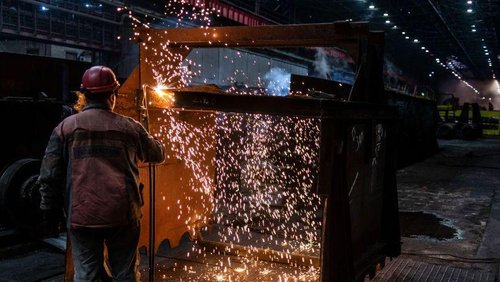
In a move that may reshape the landscape of international corporate acquisitions, President Joe Biden has decisively blocked Japan's Nippon Steel from acquiring US Steel, emphasizing that US ownership is vital for national security. This decision fulfills a politically charged promise amid heightened scrutiny and pressure from labor groups, notably the United Steelworkers union, which had significant concerns about the implications of the deal for American jobs and the domestic steel industry.The rejection followed a longstanding bid by Nippon Steel, initially valued at $14.9 billion, aimed at consolidating steel industry power but facing challenges due to its perceived threats to national interest. In his announcement, Biden stated that having a robust, domestically operated steel industry is critical not just for the economy, but also for US infrastructure and defense capabilities. "Without domestic steel production and domestic steel workers, our nation is less strong and less secure," he noted.However, reactions from both companies concerned and Japanese officials reveal the potential Socio-economic fallout from this decision. Nippon Steel and US Steel expressed disappointment and criticized the government's review process, claiming it was manipulated for political objectives. They hinted at the possibility of pursuing legal action to seek recourse.Yoji Muto, Japan's industry and trade minister, conveyed the concerns from Japan about future investments resulting from this controversy. The blocking of the deal raises apprehensions about the broader consequences for bilateral economic relations, as experts suggest that such interventions could deter foreign investments, especially from allied nations. As the political drama unfolds, Biden's decision will likely influence the path of US Steel, a century-old company that has struggled to modernize amidst a shifting economic landscape. While the companies had taken measures to address concerns about job cuts, including pledging investments in workforce training, these efforts did not pacify the administration. Biden's action is perceived as an extension of a protectionist stance towards American industries, resonating with a segment of voters in key swing states like Pennsylvania ahead of the 2024 presidential campaign. Professors and analysts suggest that this approach mirrors similar moves from the past administration, reinforcing a narrative of prioritizing domestically owned businesses.Nevertheless, the reaction from Wall Street indicates unease, reflected in a more than 5% drop in US Steel's shares following the announcement. Whether this marks the end of the proposed acquisition remains uncertain, as the Committee on Foreign Investment has the option to extend their decision window, hinting at a possible future renegotiation under different political circumstances.