In brief
At just 37, Senamile Masango's ambitious career was cut short, but her contributions to science and the empowerment of young women in South Africa will resonate for generations.
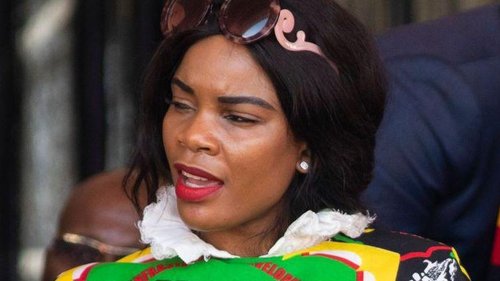
South Africa is mourning the loss of Senamile Masango, a trailblazing figure in the field of nuclear science and the first black woman to break barriers in the discipline. The 37-year-old scientist, affectionately called "the queen of science," passed away on Sunday under circumstances that remain undisclosed, prompting a national expression of grief and reflection.Deputy President Paul Mashatile lauded Masango, emphasizing her role as "a beacon of hope for many young people, especially women." Despite her impressive achievements, she often confronted racial and gender discrimination throughout her career, which she battled with resilience and strength. As part of an African-led team at the European Organisation for Nuclear Research (CERN), Masango significantly advanced the representation of African women in science.The Department of Science, Technology and Innovation conveyed that her contributions to science education and her fervent commitment to uplifting women and underprivileged groups will be sadly missed. Born in 1987 in Nongoma, KwaZulu-Natal, her upbringing in a polygamous household instilled in her a sense of determination and an early love for learning, particularly after a discussion about astronauts ignited her passion for science.Masango's university journey began at 16 with studies in physics, though she faced challenges that led her to drop out temporarily. With her family's encouragement, she returned to earn her degrees, culminating in a distinguished MSc in nuclear physics. Tragically, she experienced the heart-wrenching loss of her daughter, who died in a car accident, yet she remained dedicated to her work and to inspiring other young women.In 2019, she was recognized among South Africa's notable black women scientists and was honored with the International Women in Science Award in 2022. Throughout her journey, she spoke candidly about the unique challenges faced by black women in science, emphasizing the need for representation and mentorship for future generations of female scientists."I have to prove that I know my job and that I can think," Masango was quoted, highlighting the uphill battle against societal biases. Yet her determination shone through as she worked tirelessly to pave the way for a brighter future for aspiring scientists, particularly women, leaving behind a powerful legacy that will inspire many.