In brief
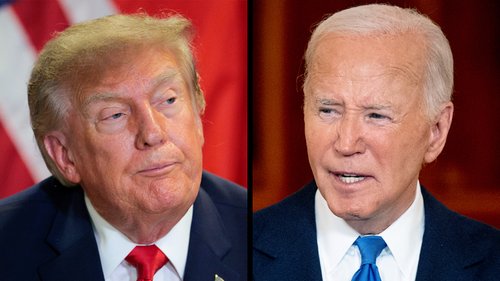
As President Biden's term concludes, his mixed accomplishments are overshadowed by significant challenges and public dissatisfaction. With a dwindling approval rating and the return of Donald Trump to power, Biden’s legacy remains in question, influenced by both his responses to crises and the pressures of re-election.
Standing at Washington’s National Cathedral for Jimmy Carter’s eulogy, President Joe Biden faced an audience that included three former living presidents and the future president, Donald Trump. This moment encapsulated the complexities of Biden’s presidency as he reflected on the achievements of a fellow one-term president while acknowledging his own struggles.During a recent television interview, Biden expressed his hope that history would judge him favorably based on his economic strategies and global leadership. Yet, with a Gallup poll revealing his approval rating at a mere 39%—a steep drop from the 57% he enjoyed at the outset—questions about his presidency loom large. As Biden's term comes to a close, he finds himself positioned as a mere transitionary figure between Trump administrations, a sentiment echoed by Democratic strategist Susan Estrich.Biden's presidency began with a significant withdrawal from Afghanistan, an act that, although negotiated by his predecessor, faced backlash when chaos ensued. This miss-step marked the decline of his approval ratings, which never rebounded. As inflation rose dramatically throughout his tenure, many American voters transformed their views from hopeful optimism to skepticism, despite some legislative victories—including the noteworthy American Rescue Plan and Infrastructure Investment Bill.With a string of unexpected crises, from immigration challenges to inflation spikes, Biden's administration was perceived as slow to react, causing discontent among voters. Furthermore, a subsequent wave of scandals, including political investigations and issues involving his son Hunter, compromised Biden’s public image and governance.As he pursued a re-election campaign amid mounting challenges, Biden was determined to present himself as the best candidate against Trump. However, reports of his struggles with clarity and connection undermined this image. Critics questioned his effectiveness as a communicator, suggesting that an insular approach within the White House hindered broader outreach to voters.The complexity of Biden's legacy became evident as he grappled with external challenges, both domestic and international. While significant legislative accomplishments marked a strong start, the latter part of his presidency flagged under mounting pressures from his political opponents and failures to bring immediate benefits to Americans suffering from economic hardships.As the election cycle heated up and challenges escalated—culminating in debates where Biden appeared confused—his campaign efforts faltered. The return of Trump ushered in a disappointing end to Biden’s presidency, one marked by a mixed record of achievements, unanticipated adversities, and declining public support.Biden's legacy now hangs in the balance, not just from his administration's successes and failures but from the looming political landscape shaped by Trump's forthcoming leadership. Ultimately, the historians’ verdict remains to be seen, while the current reality reflects a significant turning point in U.S. politics.