In brief
The well-known snack corporation, Mondelēz International, has filed a lawsuit against Aldi, charging the discount supermarket with copying the packaging of its popular snack brands, including Oreo. The complaint outlines trademark infringement and seeks damages for perceived consumer deception.
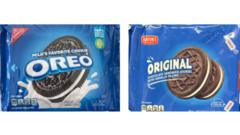
In a compelling legal battle, Mondelēz International, the powerhouse behind beloved snacks like Oreo, Wheat Thins, and Chips Ahoy!, has accused budget retailer Aldi of mimicking its iconic packaging in a way that could mislead consumers. The lawsuit, filed in May, alleges that Aldi's "discount" versions of well-known snacks utilize similar designs that "deceive" consumers while capitalizing on the recognition and prestige associated with Mondelēz’s products. Court documents indicate that the trademark infringement claim highlights how Aldi's models threaten to "irreparably harm" the reputation and identity of the Mondelēz brand. The snack giant reported that repeated attempts to address these concerns with Aldi were met with inadequate changes, as Aldi is said to have retained "unacceptable copies" of its packaging even after altering some products. While Aldi's U.S. division has not commented publicly, its U.K. branch, which operates separately, clarified that it is not involved in the ongoing dispute. The lawsuit features side-by-side comparisons of Mondelēz products juxtaposed with Aldi's offerings to underscore the similarities that have sparked this contention. Mondelēz's complaint describes Aldi as operating a business model based on low-cost private labels that closely mimic established brands. With more than 2,500 locations across the U.S., Aldi has faced previous legal challenges over product originality, including a notable case earlier this year where it lost a dispute with cider producers Thatchers. As the legal proceedings unfold, the outcome may significantly impact both brands and the broader industry surrounding private label products.