
In brief
Biden emphasizes the need for strong international alliances and cautions against concessions to dictators, reflecting on the implications for US foreign policy and NATO.
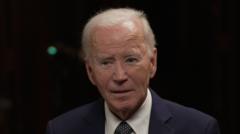
In his first interview since leaving the White House, former President Joe Biden expressed significant concerns regarding the approach taken by Donald Trump toward Ukraine and Russia. Speaking to BBC Radio 4, he characterized Trump's insistence that Ukraine may need to cede territory to Russia as a form of "modern-day appeasement," drawing historical parallels to the failed strategies of appeasement during the pre-World War II era.Biden argued that Russian President Vladimir Putin views Ukraine as an extension of Russia. He cautioned that any belief that yielding territory would satisfy Putin is "foolish," alluding to the potential risks posed to European security and global stability. Underlining his worries, he highlighted the precarious state of US-Europe relations and the implications it could have on the broader geopolitical landscape. As allied nations commemorate the 80th anniversary of VE Day, Biden's comments gained particular relevance.As discussions about the ongoing conflict in Ukraine continue, Biden was pressed on the perception that his administration might not have provided sufficient support to Ukraine. He defended his record, claiming that the United States had delivered essential resources to enhance Ukraine's chances against Russia while maintaining readiness for a more robust response if aggression escalated again.Trump's perspective contrasts sharply, as he advocates for a peace plan that may involve recognizing Russian claims to annexed territories, including Crimea—an approach Biden described as dangerous and dismissive of American ideals of freedom and democracy. He described Trump's rhetoric about reclaiming territories as foreign to American values and warned that such narratives could weaken the confidence of European allies in US leadership.Biden's reflections extended to the role the Trump administration's policies might play in NATO countries, where he feared some might consider accommodation to Putin if Ukraine were to relinquish territories. This, he argued, creates a risky precedent for dictatorships.The former president also reminisced on his presidency's outcomes, asserting that during his administration, the US carved out a positive global stature while the current situation reflects a deterioration in alliances. With tensions rising internationally, Biden's statements serve as a stark reminder of the stakes associated with foreign policy and the importance of unified responses to threats.


