In brief
As the global AI summit kicks off in Paris, President Macron's use of deepfake videos has ignited a dialogue about the dangers and potential of AI technology.
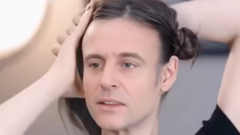
French President Emmanuel Macron has generated considerable buzz ahead of the global AI Action Summit in Paris by sharing AI-generated deepfake videos on his social media accounts. The playful montage features Macron inserted into various pop culture scenarios, including a 1980s euro disco hit and a notable influencer's hair tutorial, drawing attention to the capabilities and risks associated with artificial intelligence.In a lighthearted approach, Macron acknowledged the humor in the deepfakes, commenting, "It's pretty well done, it made me laugh". However, he also emphasized the serious potential of AI technology, suggesting it could revolutionize sectors like healthcare and energy, and urged that France and Europe take a leading role in this transformation.While Macron’s deepfake campaign reached millions of viewers across his Instagram, X, and TikTok platforms, reactions have been mixed. Experts have expressed concerns that normalizing such content might contribute to the confusion surrounding what constitutes legitimate information. Paul McKay, a principal analyst at Forrester, warned against normalizing deepfakes, arguing that it complicates the ability to discern real from fake, and may bolster misinformation trends.Other voices in academia echoed this sentiment, highlighting the risks of the technology being abused not only by social media but also by scammers. Richard Whittle from Salford Business School stated, "It is great to bring attention to this threat, but doing it in a way that shows how easy it is to create deepfakes risks their wider adoption."Despite the playful representation, Macron has previously expressed concerns about the damaging potential of deepfakes, calling for their regulation in order to safeguard democratic values. He has advocated for those who disseminate such content to take responsibility for its moderation, a viewpoint that aligns with the European Union's newly established AI Act, which aims to regulate AI usage and has faced scrutiny for its possible hindrance to innovation.The summit, which aims to unite global leaders, tech executives, and academics, is expected to culminate in a declaration on shared AI goals and ethical responsibilities. The responses from countries like the US and UK regarding their participation remain uncertain. As discussions unfold, the dual nature of AI’s impacts – from pragmatism to potential peril – continues to resonate in the global dialogue.