
In brief
In Unity State, South Sudan, climate-driven floods are exacerbating the effects of oil pollution, leading to alarming health concerns for local herders and their animals. Former oil engineer David Bojo Leju highlights the devastating realities of dirty water, increasing congenital defects, and the struggle for safe resources amidst a backdrop of poverty and conflict.
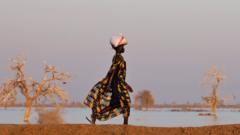
In the heart of South Sudan’s Unity State, herders are facing a critical situation, struggling to access clean water due to devastating floods intensified by climate change and compounded by oil pollution. Chief Chilhok Puot illustrates the grim reality, stating, "The water is dirty because this place has oil - it has chemicals in it." Many community members know the risks of drinking from the murky ponds but feel they have no alternatives, declaring, "we're dying of thirst."David Bojo Leju, a former oil engineer in the region, sheds light on the ongoing crisis, revealing how flooding over the past several years has washed pollution into local water sources. He describes the flooding as a "disaster" and highlights the threat posed by mismanaged oil facilities as a "silent killer" spreading across the state.As the youngest country in the world, South Sudan is heavily reliant on oil revenues, but this has come at a cost—both environmental and human health. Unity State is known for its oil production but is also plagued by seasonal flooding. However, since 2019, rains have brought unprecedented water levels, with two-thirds of Unity State submerged as of 2022, and about 40% still underwater, according to the UN World Food Programme (WFP).Leju recalls his tenure at the Greater Pioneer Operating Company (GPOC), where he raised concerns about recurrent spills and the lack of effective treatment for contaminated soil and "produced water"—a byproduct of oil extraction often laden with pollutants. The repercussions are apparent, as water drawn from nearby rivers and ponds becomes increasingly unsafe, risking the health of both the human and animal populations.Local families report distressing health impacts associated with the tainted water, including birth defects in newborns. At a Bentiu hospital, Dr. Samuel Puot details how a recent infant was born with joined facial features, attributing such abnormalities to environmental factors—particularly the consumption of contaminated water. Concerns about the role of oil pollution in congenital disorders are echoed by Dr. Nicole Deziel, an environmental health specialist, who notes that while the evidence is anecdotal, these observations demand further systematic study.Mary Ayen Majok, a prominent politician, echoes these concerns, emphasizing the inherited poor practices of the oil industry that have endangered communities. She pensively notes how fear of stigma around health issues further complicates reporting and understanding the full impact of pollution.As waters rise and safety becomes elusive, people continue to forage for sustenance, striving for survival in an unforgiving environment. Mothers like Nyeda, struggling to provide for their children while navigating the dangers of polluted water, epitomize the community's resilience yet highlight the critical need for a robust response to the deteriorating conditions.The situation remains precarious, with climate experts warning that the flooding might persist due to climate change patterns. Amid uncertainty, many residents cling to hope for a return to traditional livelihoods, as the children in Roriak reshape their clay villages with dreams of a restored land and future.As communities contend with the dual challenges of climate-induced flooding and pollution, the need for immediate action and comprehensive understanding only grows, thereby calling into question the long-term health of South Sudan's fragile ecosystems and its inhabitants.

