In brief
Concerns grow over the implications of a martial law declaration in a democratic South Korea, as citizens reflect on historical trauma and fight to protect their freedoms.
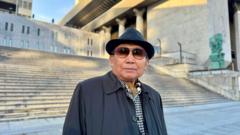
In a shocking resurgence of historical fears, President Yoon Suk-yeol's recent proclamation of martial law in South Korea has ignited intense public outrage and anxiety. Many South Koreans, particularly those who lived through previous authoritarian regimes, are grappling with the disturbing echoes of the past as they witness echoes of a dark chapter in their history.Koh Jae-hak, now aged 87, recounts chilling memories of witnessing soldiers open fire during protests against the government in 1960. Those events, which ultimately led to the declaration of martial law, are indelibly etched in his memory. "There were demonstrations from various universities, and they all gathered in front… that's when shots were fired," he recalls. Decades of political turmoil and martial law periods have shaped South Korean society, creating a collective consciousness mindful of the hard-won right to democracy. The martial law declaration's recent timing, the first since the democratization of the country, sent shockwaves through the populace. Many citizens, including lawmakers, rushed to the National Assembly to challenge the president's decision, leading to tense confrontations with military forces.Yoon justified the move as a necessary step to eliminate "pro-North anti-state" forces, yet his lack of substantial evidence for this claim sowed skepticism among the public. Many saw his rhetoric as an attempt to suppress political opposition rather than a genuine response to perceived threats. Historical precedents, particularly the violent military crackdowns during previous martial law declarations, fuel the fears of potential abuses of power. Kelly Kim, an environmental activist, expressed her concerns about losing civil liberties: "The government would control all the media, our normal activities. I'm working in civil society, so all our activities, like criticizing the government, would not be possible under martial law." The scars of the 1980 Gwangju massacre, where protesters demanding democracy were brutally suppressed, linger on the national psyche, reinforcing a collective resistance to repeat history.Creative expressions in popular culture, such as films and television shows, have kept the memory of past struggles alive. Young people, who have never experienced martial law firsthand, are nonetheless haunted by their parents' stories and the weight of the past. Marina Kang, a web designer, reflected on the historical dramas portraying martial law, raising concerns of history repeating itself.As tensions mounted, younger citizens expressed disbelief at the return of martial law. Their initial excitement turned to fear over the implications for their daily lives and freedoms. Opinions are divided, with older generations sometimes viewing past martial law periods as necessary for maintaining stability during tense political climates.Both Koh Jae-hak and his friend Kang Hyo-san, who endured martial law in their youth, fiercely oppose Yoon's declaration, believing it lacks justification. They echoed a sentiment prevailing among many South Koreans: a resolute commitment to democracy forged through historical struggles. "We fought so hard to get it, right? We don't want to lose it again," said Kim, punctuating the importance of safeguarding the freedoms they cherish.As protests erupt across the nation and citizens rally against perceived governmental overreach, the continuation of democracy in South Korea hangs in the balance—serving as a stark reminder of the resilience and vigilance required to uphold hard-earned freedoms.