
In brief
Five tourists have died and one remains critically ill from suspected methanol poisoning in Laos, highlighting the persistent danger of bootleg alcohol in Southeast Asia, particularly in areas with minimal regulation. The incident raises urgent awareness about the risks associated with consuming alcohol in such regions and the need for informed travel practices among visitors.
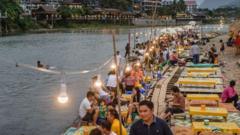
In Laos, a popular holiday destination for backpackers, five tourists have tragically died due to suspected methanol poisoning from tainted alcoholic beverages. Among the deceased are a British woman, an Australian woman, a US man, and two Danish nationals. One Australian woman is currently hospitalized in critical condition. The ongoing police investigation has not yet confirmed whether these tourists consumed drinks containing methanol, a lethal substance frequently found in illicitly produced alcohol.Methanol poisoning is a notorious issue across Southeast Asia, particularly in economically disadvantaged regions along the Mekong River. Despite advisories from foreign governments warning against alcohol consumption in these areas, there remains a lack of awareness surrounding the dangers, especially within the vibrant backpacker party culture. The clear, odorless nature of methanol makes it nearly impossible to detect in drinks, and symptoms can take hours to manifest, delaying critical medical treatment.According to the international medical charity Medicines Sans Frontiers (MSF), methanol, often utilized in industrial products like antifreeze and paint thinners, is often dangerously consumed by unwary tourists who mistake it for safe ethyl alcohol. Just 25ml of methanol can be fatal, with the illness typically characterized by nausea, fever, and severe abdominal pain.Data from MSF indicates that Asia has the highest rate of methanol poisoning worldwide, particularly impacting lower-income countries such as Indonesia, the Philippines, and Vietnam. In the last two decades, Indonesia has reported the highest number of poisoning incidents, largely due to the rampant production and consumption of homemade alcohol.The town of Vang Vieng in Laos, where the recent fatalities occurred, is also a well-known stop for international travelers. With an economy heavily relying on tourism, local infrastructure often fails to keep pace with the rapid influx of visitors. The laws governing food and alcohol safety are weakly enforced, and the local industry sometimes resorts to cutting corners on production methods, leading to unpredictable and hazardous products being served in bars and restaurants.Local observers suggest that some producers may deliberately substitute methanol for ethanol to increase profitability, further entrenching the risks involved. A Western diplomat remarked that the issue stems more from economic conditions and regulations than a deliberate intent to harm tourists, although the lack of awareness presents a severe danger.In response to the fatalities, several Western consulates have updated their travel advisories regarding alcohol safety in Southeast Asia. Meanwhile, some campaigners are striving to raise awareness of the risks associated with consuming alcoholic beverages in the region. Colin Ahearn, an Australian who runs a Facebook group titled "Don't Drink Spirits in Bali," reports a consistent stream of methanol poisoning cases submitted by impacted tourists.The increasing number of poisonings signals a need for a high-profile campaign to educate travelers about the risks involved in consuming alcohol while abroad, as a comprehensive solution remains elusive. Tourists are cautioned to exercise extreme caution, with some experts suggesting that adopting a strict no-drink policy while traveling could be the safest bet.

