
In brief
With US tariffs set to increase dramatically, China has firmly stated that it will not back down, setting the stage for a turbulent economic standoff that could have lasting implications for global trade.
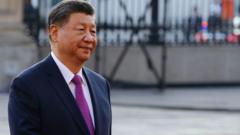
In a fierce escalation of the ongoing trade war, Chinese President Xi Jinping has expressed unwavering resolve in response to President Donald Trump’s threats to nearly double tariffs on Chinese imports. This conflict, which has become one of the defining economic challenges of our time, finds both nations refusing to yield, as potential tariffs could reach an astonishing 104% on many products ranging from smartphones to textiles.Trade analysts caution that China's response is unlikely to be one of appeasement. Alfredo Montufar-Helu of the China Center at the Conference Board argues that China, aiming to maintain its stance, is unlikely to unilaterally withdraw tariffs, fearing that it could suggest weakness and lead to increased US demands. “We’ve reached an impasse that may lead to long-term economic pain for both sides,” he warns.Market reactions indicate increasing volatility as global stocks plunged following Trump’s tariff announcement, with Asian markets absorbing substantial losses. Concurrently, China implemented its own tariffs and devalued its currency to increase the competitiveness of its exports, suggesting a strategic approach to managing economic challenges amidst mounting pressure.Economists, including Mary Lovely from the Peterson Institute, highlight the difficulty both nations face as they navigate this high-stakes environment. Despite China's sluggish economic growth and other domestic challenges, analysts believe the country may be prepared to endure short-term strains instead of conceding to perceived US dominance.The consequences of the tariff dispute extend beyond the immediate opponents. The interlinked economies of the US and China—characterized by significant investment flows and digital trade—imply that retaliatory measures could spiral, impacting other nations and altering global supply chains. Deborah Elms from the Hinrich Foundation emphasizes that potential shifts in Chinese exports could flood into Southeast Asian markets already grappling with their own tariff issues.Looking ahead, the path to resolution remains opaque. Experts speculate on a range of possibilities for both negotiations and escalated actions, with uncertainty looming about how deep the tariffs could go and what form retaliation might take. Roland Rajah from the Lowy Institute underscores the unpredictability of China's response capabilities, hinting at the potential complexities involved should tensions continue to rise.Ultimately, the unfolding trade war signifies more than just economic disputes between two countries. It embodies a broader struggle for influence and stability in the global economic landscape, leaving stakeholders worldwide on edge as they await developments in this ongoing saga.


