
In brief
Despite recent agreements on energy infrastructure ceasefire, Ukrainian defense developers like Skyeton's engineers continue working on powerful drones. This determination is underscored by a lack of trust in Russia's commitment to the ceasefire.
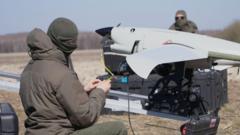
At a secret testing facility, Ukrainian engineers persevere in developing advanced drones, fearing that a newly agreed energy ceasefire with Russia may not hold. The long-range drone called Raybird, capable of flying non-stop for over 20 hours and covering awesome distances of 1,000 km (620 miles), is the centerpiece of Skyeton's arsenal. This drone has the potential to target crucial Russian assets, including oil refineries and fuel depots, heavily impacting the enemy's energy resource capabilities. Following talks in Saudi Arabia, both Ukraine and Russia have tentatively agreed to cease attacks on each other's energy infrastructure. Ukrainian President Volodymyr Zelensky has stated that Ukraine will promptly implement these agreements. However, skepticism looms over the reliability of these commitments. Oleksiy, an engineer at Skyeton, voices concerns, suggesting that Russia has a record of breaking agreements once it regroups.Ukraine's drone strikes have caused significant damage to Russian oil infrastructure, reducing its refining capacity by 10% this year alone. Despite the cessation of strikes, the pain has led to Russia extending its ban on petroleum exports. Meanwhile, Ukraine is rapidly advancing its technology, announcing a new drone with a range of 3,000 km (1,860 miles) capable of reaching targets as far as Siberia, along with other high-speed missile-drones.Zelensky asserts that these developments will fortify Ukraine's defensive and offensive capabilities, successfully testing domestically produced ballistic weapons designed to target both ground and naval positions. The volatile war landscape, characterized by Russian aerial attacks that have severely impacted Ukraine's energy grid, necessitates unwavering vigilance from defense developers.The progress at the testing ground showcases the Raybird's successful landings, providing hope for further advancements in Ukraine's drone capabilities. Nevertheless, Oleksiy emphasizes the urgency required in continuing their work, believing that the ceasefire might serve only as a strategic pause for Russia to rebuild and re-strategize for potential future confrontations. Therefore, the push for technological development remains unrelenting in anticipation of continuing hostilities.


