In brief
Following an unprecedented blackout that left Spain and Portugal in chaos, the nation gradually restored power within 24 hours. With calls for infrastructure reforms and criticism directed at the government's response, discussions on the balance of renewable energy sources and grid stability are more urgent than ever.
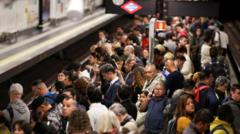
Spain emerged from an extraordinary blackout that lasted nearly a full day, leaving millions without electricity and exposing critical vulnerabilities in its power infrastructure. The national electricity grid announced it had returned to normal after 23 hours, with transportation services slowly resuming across the country. As life begins to return to regularity, many are reflecting on what went awry and how to ensure such a massive failure doesn't occur again. The situation sharply escalated on Monday when the country experienced a staggering loss of 15 gigawatts of power, triggered by disconnection issues in southwestern Spain and a one-hour blackout from the French energy network. Prime Minister Pedro Sánchez underscored the severity of the crisis, highlighting that approximately 60% of the nation's electricity generation vanished almost instantaneously.The socio-economic impact was profound, with the CEOE business organization estimating the blackout cost the economy around €1.6 billion. Political leaders are now shifting blame; conservative politicians criticized the government's emergency response, claiming the image of Spain abroad had suffered as a result of the outage. Although it took significant logistical efforts to restore power, regions such as the Canary Islands and Balearic Islands were unaffected. The restoration efforts focused on a "black start," carefully incrementing power supplies to avoid overwhelming the system and risking another outage. Key components of the response included leveraging renewable energy sources and calling upon neighboring countries like France and Morocco for additional electricity support.As power returned later on Monday night, hospitals were prioritized, and emergency services stepped in to assist stranded individuals who were caught in trains or disrupted public transportation systems. Community support was evident, with locals stepping in to aid those affected. Throughout the ordeal, citizens turned to radio broadcasts for information as phone and internet services remained down.In the aftermath, calls for a reevaluation of Spain's energy strategies intensified, especially given an apparent reliance on renewable sources that many experts claim contributed to the incident. As leaders like Sánchez advocate for lessons to be learned, skepticism remains regarding the existing infrastructure's ability to manage increased renewable energy production with the shutdown of nuclear plants. The roadmap ahead for Spain’s energy security is fraught with challenges, but public response shows resilience and solidarity amidst the disruption.