
In brief
In a rare interview, Merkel defends her controversial ties with Russia and argues that blocking Ukraine's NATO accession may have postponed conflict. She expresses concern over nuclear threats but firmly highlights her diplomatic efforts, while also acknowledging the shift in European policies towards energy and migration.
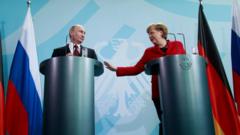
While speaking with the BBC, Angela Merkel emphasized the intentions behind her gas deals with Russia, aimed at supporting German businesses and maintaining peace. In hindsight, she believes that the conflict in Ukraine could have escalated much earlier had Ukraine been granted NATO membership back in 2008—a claim disputed by Ukrainian President Volodymyr Zelensky, who perceives Merkel’s decision as a significant misstep that empowered Moscow.Amid fears of nuclear escalation with Russia, Merkel indicated the importance of continued diplomatic discourse, stating, “We must do everything possible to prevent the use of nuclear weapons.” Merkel's leadership, particularly during the 2015 migration crisis when Germany welcomed over a million refugees, remains a focal point of debate. While some hailed her courage, critics assert this decision fueled the rise of far-right sentiments across Europe. Merkel acknowledges the backlash, yet remains steadfast that the solution to combatting far-right politics is to address illegal migration and invest in stability in African nations.Reflecting on her legacy, Merkel recognized the painted complexities of her tenure—balancing economic interests with extensive dependencies on Russian energy, which critics argue have ultimately harmed Germany. Moreover, with looming questions around Europe's potential to handle future challenges, she shares insights on dealing with a possibly hostile political climate under figures like former President Donald Trump.Despite the heavy scrutiny she faces today over her historical policies and their long-lasting impacts, Merkel states that she does not miss her previous political clout. As she steps away from the forefront of politics, her memoir, "Freedom", captures the tumultuous era during which she led Germany through multiple crises amid evolving geopolitical tensions.


