In brief
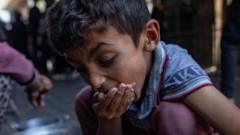
The limited food aid reaching Gaza has led to desperate scenes as residents grapple with worsening hunger and insecurity, highlighting the urgent need for comprehensive humanitarian support.
The ongoing humanitarian crisis in Gaza has reached alarming levels as food aid, recently permitted to flow through the Israeli blockade, is not enough to counter the widespread hunger and chaos enveloping the region. A mere trickle of limited assistance has led to chaotic scenes at bakeries, where long lines turned frantic as desperate residents clamored for bread. On Thursday, these establishments were overwhelmed and subsequently forced to halt operations due to safety concerns.The violence escalated overnight when armed looters attacked an aid convoy, resulting in a firefight with Hamas security officials. Eyewitness accounts reveal heightened lawlessness as governance flounders and security deteriorates in the enclave. As a convoy of 20 World Food Programme (WFP) trucks—carrying much-needed flour—made its way from the Kerem Shalom crossing, it was ambushed by unidentified gunmen. Following a brief exchange of gunfire with Hamas, Israeli drones targeted the Hamas security team, further complicating the delivery of aid.In the wake of the violence, Hamas vehemently condemned the Israeli airstrike, branding it a "horrific massacre." The Israel Defense Forces (IDF), however, justified the drone strikes, claiming they were aimed at thwarting terrorist activities that endanger humanitarian deliveries. As the blockade was partially lifted, the UN and other humanitarian organizations expressed alarm that the limited aid does not meet the dire needs of Gaza's population, estimated at 2.1 million individuals who are enduring significant shortages of food, water, and medical supplies.Despite an influx of around 130 aid trucks in the past three days, humanitarian groups cite that Gaza requires an average of 500 to 600 trucks daily. Philippe Lazzarini, head of the United Nations Relief and Works Agency for Palestine Refugees in the Near East (UNRWA), remarked on social platforms that the looting should not be unexpected given the dire conditions that have persisted for over eleven weeks. Residents have criticized the WFP's distribution methods, calling for immediate adjustments to streamline aid delivery by direct distribution of flour instead of baked goods.From the bustling streets of Gaza to the displacement camps, tales of suffering echo through voices like Abd al-Fatah Hussein from al-Mawasi, who described a harrowing lack of adequate shelter, food, and medical care. As conflicts continue, he and many others are left grappling with the reality that the meager aid represents only a "drop in the ocean" of Gaza's overwhelming needs. Meanwhile, increasing fears of famine take root, as humanitarian organizations warn that any further escalation in violence will only exacerbate the already dire humanitarian conditions faced by Gazans. As they endure bombings and shortages of essentials, the resilience of their communities faces unprecedented challenges amid the chaos.