
In brief
While officials in Russia express concerns over Israel's military actions in the Middle East, they also highlight potential benefits for Moscow, including increased oil prices and the chance to position itself as a mediator. However, experts warn that the conflict may jeopardize Russia's already fragile partnerships in the region.
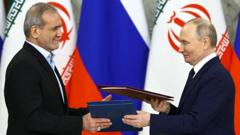
As Israel embarks on Operation Rising Lion, Russian officials are voicing alarm over the escalating tensions in the Middle East. They characterize the situation as perilous, even as some Russian media outlets eagerly point to potential advantages for Moscow amidst the turmoil.One such upside is the anticipated surge in global oil prices, which could bolster Russia's economy. Additionally, the conflict may divert international focus from Russia's ongoing war in Ukraine, with outlets like Moskovsky Komsomolets noting that "Kyiv has been forgotten" as eyes turn to the Middle East.If Russia's overtures to mediate the conflict are accepted, the Kremlin might seize the opportunity to portray itself as a vital influencer in regional affairs, presenting a narrative of peacemaking that contrasts with its actions in Ukraine. However, prolonged military engagements may reveal critical vulnerabilities for Russia. Political analyst Andrei Kortunov expressed that the risks and repercussions for Moscow could be substantial, given its inability to avert a large-scale Israeli strike on Iran—a nation with which it recently formed a comprehensive partnership.Despite the friendship depicted in a strategic partnership agreement signed between President Vladimir Putin and Iranian President Masoud Pezeshkian earlier this year, experts clarify that this arrangement should not be equated with a military alliance. Moscow does not bear an obligation to support Iran militarily, limiting its capability to respond forcefully to Israeli actions.Furthermore, Russia has already witnessed diminishing support in the region, notably with the loss of ally Bashar al-Assad after his removal from power last December. The evolving political landscape raises apprehensions in Moscow of potentially losing another critical partner.Recent commentary in Moskovsky Komsomolets underscores the rapid geopolitical shifts at play, underscoring their potential to impact life across Russia, directly or indirectly. Putin is currently engaged at the International Economic Forum in St. Petersburg, traditionally a marquee event for showcasing Russia's economic ties. Although attendance from Western executives has dwindled since the Ukraine conflict, representatives from over 140 countries and territories are expected. This gathering may serve as a platform for Russia to illustrate its resilience against international isolation while underscoring the intertwined nature of economics and geopolitics in its strategic narrative.With the Middle East's complexities on full display and government rhetoric hinting at a more involved role, observers remain vigilant for how current events will shape Russia's future on the global stage.



